Imagine serving up a perfectly cooked steak, a juicy smoked brisket, or tender chicken that’s just right every single time. Sounds like a dream, doesn’t it? For too long, home grillers and pitmasters alike relied on guesswork—the “poke test,” cutting into meat to check the color, or simply crossing fingers and hoping for the best. But what if I told you there’s a simple, indispensable tool that can transform your BBQ game from hit-or-miss to consistently flawless? Enter the Bbq Meat Thermometer, your secret weapon for achieving culinary perfection and ensuring food safety. It’s not just a gadget; it’s a guarantee for succulent results and peace of mind at every cookout.
The Unsung Hero of Your BBQ: Why a Meat Thermometer is Non-Negotiable
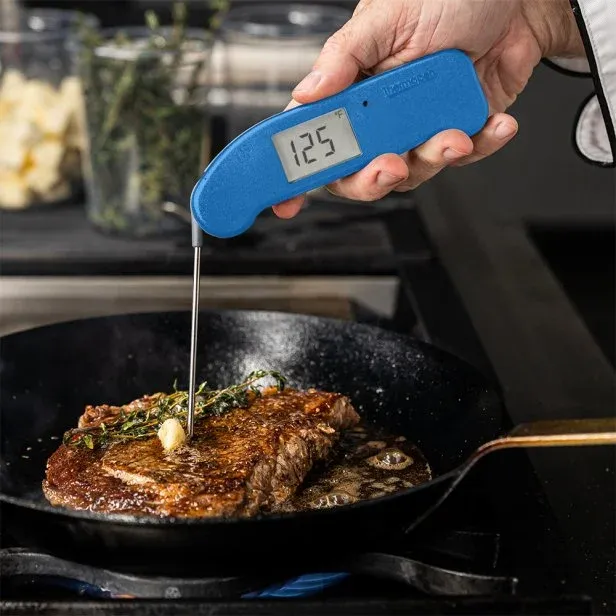
For generations, cooking meat was often an art form passed down through tactile wisdom. “Feel the steak, if it springs back, it’s medium-rare!” But let’s be honest, that takes years of practice, and even seasoned chefs can miss the mark. The beauty of the modern BBQ meat thermometer is that it removes all the guesswork, giving you precise, real-time data on your meat’s internal temperature. This isn’t just about taste; it’s fundamentally about safety. Harmful bacteria thrive in certain temperature ranges, and only by reaching the recommended internal temperatures can you confidently eliminate those risks. Using a reliable BBQ meat thermometer means you’re protecting your family and friends from foodborne illnesses, while simultaneously crafting dishes that are tender, juicy, and exactly to your desired doneness. It’s the ultimate combination of science and culinary art, ensuring every bite is both delicious and safe.
Navigating the World of BBQ Meat Thermometers: Types and Key Features
The world of BBQ meat thermometers is more diverse than you might think, each type designed with specific cooking scenarios in mind. Understanding the differences will help you pick the perfect tool for your grilling style.
Instant-Read Thermometers
These are your quick-draw heroes for fast checks. An instant-read thermometer, like the highly-rated ThermoWorks Thermapen ONE, gives you a precise temperature reading in just a few seconds, sometimes as fast as one second. They are handheld, featuring a slender probe that you insert into the thickest part of the meat, then remove. They’re incredibly versatile, ideal for checking thinner cuts like steaks, burgers, chicken breasts, or for spot-checking larger roasts during a longer cook. Their speed and accuracy make them a must-have for quick grilling sessions, preventing you from overcooking delicate items.
Leave-In Probe Thermometers
When you’re embarking on a low-and-slow BBQ adventure, such as smoking a brisket or roasting a whole chicken, a leave-in probe thermometer is your best friend. These thermometers are designed to stay in the meat throughout the entire cooking process.
- Wired Probe Thermometers: These have a probe connected by a heat-resistant cable to a base unit that sits outside your grill or smoker. They offer continuous monitoring without needing to open the lid, which is crucial for maintaining consistent cooking temperatures, especially in smokers. The base unit typically displays the temperature and often includes timer functions and alarms.
- Wireless (Bluetooth/Wi-Fi) Probe Thermometers: Taking convenience a step further, wireless thermometers like the MEATER Plus or ThermoWorks Signals allow you to monitor your meat’s temperature remotely via a smartphone app. Bluetooth models usually have a range of up to several hundred feet, while Wi-Fi enabled thermometers offer virtually unlimited range, letting you keep an eye on your cook from anywhere with an internet connection. Many wireless probes are truly wireless, meaning no cables at all, with sensors for both internal meat temperature and ambient grill temperature, along with predictive cook times. This is fantastic for long cooks, allowing you to relax and socialize without constantly checking the grill.
Smart Thermometers
These are essentially advanced wireless probe thermometers that integrate deeply with companion apps, offering a wealth of data and control. They can feature multiple probes, track temperature graphs over time, set custom alarms for different doneness levels, and even provide guided cooking programs. Brands like Meater and ThermoWorks lead the pack in this category, offering sophisticated solutions for serious grillers and smokers.
Analog vs. Digital
While some classic grillers still appreciate the old-school charm of an analog dial thermometer, for accuracy, speed, and readability, digital thermometers are the undisputed champions for BBQ. Analog thermometers can be slower to read and harder to get precise measurements from, especially in varying light conditions. Digital models provide clear, instant readouts, often with backlights, making them far more practical for dynamic BBQ environments.
Mastering Your Meat Thermometer: A Step-by-Step Usage Guide
Even the best BBQ meat thermometer needs to be used correctly to deliver accurate results. Here’s how to master yours:
Calibration: Your First Step to Accuracy
Just like a trusty scale, your thermometer needs to be calibrated occasionally to ensure it’s providing accurate readings. A simple ice bath test is all it takes:
- Fill a glass with crushed ice and then add water, stirring well.
- Insert your thermometer probe into the ice water, ensuring the tip doesn’t touch the bottom or sides of the glass.
- Wait for the reading to stabilize. It should be 32°F (0°C). If it’s off by more than a degree or two, consult your thermometer’s manual for calibration instructions. For most digital models, a simple reset or specific button combination will do the trick.
Where to Insert the Probe
This is crucial for accurate readings.
- Thickest Part: Always aim for the center of the thickest part of the meat. This is typically the last part of the meat to reach its target temperature.
- Avoid Bone and Fat: Bones and large pockets of fat conduct heat differently than muscle, which can lead to inaccurate readings. Make sure your probe tip is embedded solely in muscle tissue.
- Different Cuts:
- Steaks & Burgers: For thinner cuts, insert the probe horizontally into the side to reach the center of the thickest part.
- Roasts & Whole Poultry: Insert the probe vertically into the thickest part of the breast or thigh (for poultry), or the deepest part of the roast, again avoiding bones. For larger items like brisket, multiple probes can be beneficial to monitor different sections.
- Instant-Read vs. Leave-In: With instant-read, insert, wait a few seconds for a stable reading, then withdraw. For leave-in probes, insert once before cooking and keep it there until your target temperature is reached.
Reading and Reacting: Understanding Internal Temperatures
Knowing the desired internal temperature for different meats is key to perfect doneness and safety. Always refer to USDA guidelines for safe minimum internal temperatures (e.g., poultry 165°F, ground meats 160°F, beef/pork/lamb roasts and steaks 145°F with a 3-minute rest).
Remember carry-over cooking: meat continues to cook for a short period after being removed from the heat source, as residual heat distributes throughout. For this reason, it’s often recommended to pull meat off the grill a few degrees below your target temperature, allowing it to reach perfection during the resting period.
Best Practices for BBQ Styles
- Grilling (High Heat): For quick cooks like steaks and chops, an instant-read thermometer is perfect for a rapid check just before you think it’s done. This prevents overcooking during a short, intense cook.
- Smoking (Low & Slow): Leave-in probe thermometers (especially wireless ones) are indispensable for smoking. They allow you to monitor both the meat’s internal temperature and the ambient pit temperature without opening the lid, which disrupts the smoker’s heat and lengthens cooking time.
Tips and Tricks for BBQ Thermometer Excellence
To truly become a BBQ maestro with your thermometer, here are some pro tips:
- Don’t Trust Visual Cues Alone: While a nice crust or clear juices are good indicators, they aren’t foolproof for internal doneness or safety. A thermometer provides the definitive answer.
- Know Your Target Temperatures: Keep a chart handy of recommended internal temperatures for various meats and desired doneness levels. This will remove all doubt.
- Account for Carry-Over Cooking: As mentioned, pull your meats a few degrees shy of the final target, especially for larger cuts. For example, a steak destined for 135°F (medium-rare) might be pulled at 130-132°F.
- Cleanliness is Key: Always clean your probe thoroughly with hot, soapy water after each use to prevent cross-contamination and ensure longevity. Most digital probes are waterproof or highly water-resistant.
- Store Properly: Protect the probe tip and store your thermometer in a safe place where it won’t be damaged.
- Battery Maintenance: For digital and wireless models, keep an eye on battery life. Nothing worse than a dead thermometer mid-cook!
The PerfectCook Advantage: Why a BBQ Meat Thermometer Elevates Your Grilling Game
At PerfectCook, we believe that exceptional meals start with precision, and a BBQ meat thermometer is the embodiment of that philosophy. It’s more than just a tool; it’s an investment in your culinary confidence and the quality of every meal you prepare.
- Unwavering Food Safety: The most critical benefit is knowing your meat has reached a safe internal temperature, protecting against foodborne illness. This peace of mind is invaluable.
- Consistent, Perfect Results: Say goodbye to dry, overcooked chicken or tough, undercooked brisket. With precise temperature monitoring, every piece of meat will be tender, juicy, and cooked exactly to your liking, every single time.
- Unleash Your Creativity: When you’re confident in your core cooking, you can experiment more with rubs, sauces, and techniques, knowing your foundation is solid.
- Cost-Effective: Good quality meat isn’t cheap. A thermometer helps you avoid ruining expensive cuts by over or undercooking them, saving you money in the long run.
- Confidence in Every Cook: There’s a certain satisfaction that comes from serving perfectly cooked food. A BBQ meat thermometer gives you that undeniable confidence to impress your guests and enjoy your own culinary creations.
As chef Antoine Dubois, a renowned pitmaster and culinary consultant, often says, “The best chefs aren’t just talented; they’re precise. A BBQ meat thermometer isn’t an option; it’s the extension of a chef’s instinct, guaranteeing perfection where guesswork once ruled.”
Choosing Your Perfect BBQ Partner: What to Look For
Ready to choose your BBQ meat thermometer? Consider these factors to find your ideal match:
- Accuracy and Speed: Look for models that offer readings within 1-2 degrees Fahrenheit and deliver them quickly (ideally 1-5 seconds for instant-read, constant monitoring for leave-in).
- Probe Design: Consider the length and material of the probe. Longer, thinner probes are better for larger cuts, while durable, heat-resistant materials are essential for high-temperature grilling. Some probes even come with ambient temperature sensors.
- Temperature Range: Ensure the thermometer can handle both the low temperatures of smoking and the high temperatures of searing.
- Connectivity (for wireless): Evaluate the range of Bluetooth or Wi-Fi, the reliability of the app, and ease of setup. Look for stable connections that won’t drop mid-cook.
- Display and Features: A large, backlit, auto-rotating screen is a huge plus for readability in various conditions. Alarms, timers, and magnetic backings add convenience.
- Durability and Water Resistance: BBQ environments can be harsh. Look for thermometers that are robust and preferably waterproof or highly water-resistant to withstand splashes and cleaning.
- Budget: While you can find budget-friendly options, investing a bit more often pays off in terms of accuracy, durability, and advanced features that enhance your cooking experience.
FAQ
Q: What’s the difference between an instant-read and a leave-in thermometer?
A: An instant-read thermometer is used for quick spot checks and is removed after taking a reading, ideal for thinner cuts and grilling. A leave-in thermometer stays in the meat throughout the entire cooking process, continuously monitoring temperature, perfect for smoking, roasting, and larger cuts.
Q: How do I calibrate my BBQ meat thermometer?
A: The most common method is the ice bath test. Fill a glass with crushed ice and water, insert the probe without touching the bottom, and the reading should stabilize at 32°F (0°C). If it’s off, follow your thermometer’s specific calibration instructions.
Q: Can I use a regular kitchen thermometer for BBQ?
A: While some kitchen thermometers might work, dedicated BBQ meat thermometers are designed for the high heat and specific requirements of grilling and smoking, offering better durability, heat resistance, and often wireless capabilities for remote monitoring.
Q: What are the safe internal temperatures for common BBQ meats?
A: According to USDA guidelines:
- Poultry (whole, ground, or pieces): 165°F (74°C)
- Ground Beef, Pork, Veal, Lamb: 160°F (71°C)
- Beef, Pork, Veal, Lamb (steaks, roasts, chops): 145°F (63°C) with a 3-minute rest.
- Fish: 145°F (63°C)
Q: How do I clean and care for my BBQ meat thermometer?
A: Always clean the probe with hot, soapy water after each use to prevent cross-contamination. Most digital units have waterproof probes, but avoid submerging the main display unit unless specifically rated for it. Store it safely to protect the probe from bending or damage.
Q: Why is my wireless thermometer losing connection?
A: Wireless connections can be affected by distance, obstacles (like thick walls), and interference from other electronic devices or large metal surfaces. Try keeping the base unit closer to the grill and ensuring a clear line of sight.
Q: Is a smart BBQ thermometer worth the investment?
A: For serious grillers and smokers who enjoy advanced features, remote monitoring, and detailed cook data, a smart BBQ thermometer offers significant convenience and precision, making the investment well worthwhile for consistent, perfectly cooked results.
Conclusion
The journey to becoming a true BBQ master is a delicious one, filled with smoky aromas, sizzling meats, and the joy of sharing incredible food. But even the most passionate grillers can benefit from a touch of scientific precision. A BBQ meat thermometer is that essential tool, transforming guesswork into absolute certainty. It’s about more than just numbers; it’s about confidence, consistency, and the sheer pleasure of serving up safe, perfectly cooked meat every single time. So, ditch the doubt, embrace the precision, and let a PerfectCook BBQ meat thermometer guide you to your most mouth-watering culinary triumphs yet. Go ahead, make every cookout a masterpiece – your taste buds, and your guests, will thank you!