Getting that perfectly cooked steak, juicy brisket, or tender chicken on the BBQ can feel like a culinary superpower. But let’s be real, guessing if your meat is done by poking it or cutting it open often leads to disappointment – either it’s undercooked and unsafe, or overcooked and dry. That’s where the Best Bbq Meat Thermometer comes into play, transforming guesswork into grill mastery and ensuring every bite is delicious and safe. It’s not just a gadget; it’s your secret weapon for consistently amazing barbecue.
The Essential Role of a Meat Thermometer in BBQ History
For generations, pitmasters relied on instinct, touch, and experience. While these methods can yield fantastic results, they require years of practice and can still be hit-or-miss. The advent of reliable meat thermometers revolutionized home cooking and professional kitchens alike, bringing precision to the art of grilling and smoking. What started as simple dial thermometers has evolved into high-tech devices that offer remote monitoring, multiple probes, and detailed cook analytics. For barbecue, where precision often dictates success, a thermometer is not just recommended; it’s absolutely crucial for hitting those target temperatures that unlock incredible flavor and texture, all while guaranteeing food safety.
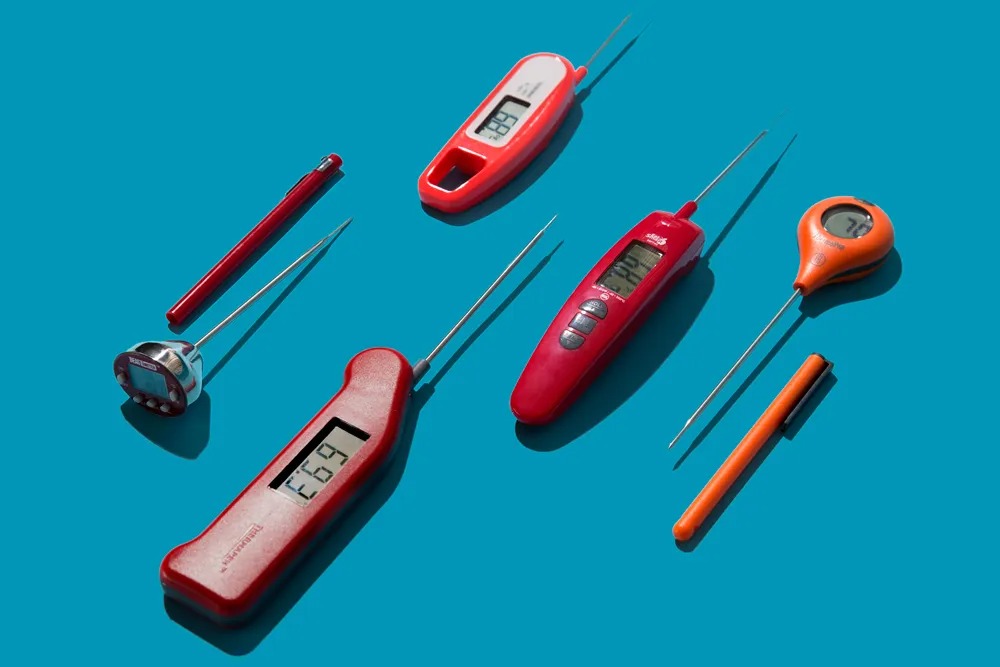
Unpacking the Different Types of BBQ Meat Thermometers
Choosing the right tool for the job makes all the difference, especially when it comes to barbecue. Here’s a breakdown of the primary types of meat thermometers perfect for your grilling adventures:
1. Instant-Read Thermometers
These are your quick-draw heroes. Designed for speed, instant-read thermometers give you an accurate temperature reading in mere seconds, typically within one to three. They’re perfect for checking the doneness of thinner cuts like steaks, burgers, chicken breasts, or fish without leaving them in the meat for the entire cook. Just probe, read, and remove.
- Pros: Extremely fast, highly accurate, versatile for various cooking methods (grilling, pan-searing, deep-frying).
- Cons: Not designed to be left in meat during cooking, requires you to open the grill lid and stand near the heat.
2. Leave-In Probe Thermometers (Wired)
For those longer, slower cooks like briskets, pork shoulders, or whole chickens, wired leave-in probe thermometers are invaluable. A heat-resistant probe stays in the meat throughout the cooking process, connected by a wire to an external display unit. This allows you to monitor the internal temperature without constantly opening your grill or smoker, which can cause significant temperature fluctuations.
- Pros: Continuous monitoring, ideal for long cooks, often include alarms for target temperatures.
- Cons: Wires can get in the way or be damaged, range is limited by wire length.
3. Wireless Meat Thermometers (Bluetooth, WiFi, and RF)
If convenience and freedom are what you crave, wireless meat thermometers are your best friend. These advanced devices allow you to monitor your BBQ from a distance – whether you’re chatting with guests, preparing side dishes, or just relaxing.
- Bluetooth Thermometers: Connect to your smartphone via an app, offering a decent range (typically 100-200 feet, sometimes more with repeaters). Great for backyard grilling where you’re within reasonable proximity. Some advanced models, like the MEATER SE, are entirely probe-based with no wires, offering ultimate flexibility.
- WiFi Thermometers: Provide a much greater range, often limited only by your home’s WiFi network, meaning you can monitor your cook from almost anywhere with internet access. They typically connect to a base station that then relays data to an app on your phone. The ThermoPro TempSpike Pro Wi-Fi Meat Thermometer, for instance, offers extensive range and customization.
- RF (Radio Frequency) Thermometers: Use a dedicated remote receiver to display temperatures, rather than a smartphone app. They generally offer a longer range than Bluetooth and are less susceptible to interference than WiFi in some outdoor environments. The ThermoWorks Smoke Remote BBQ Alarm Thermometer is an excellent example, often favored for smoking.
- Pros: Remote monitoring, multi-probe options for different cuts or ambient temperature, often feature advanced apps with cook graphs and alerts.
- Cons: Can be more expensive, reliance on battery life for probes/base, potential connectivity issues depending on environment.
Essential Features to Look for in a BBQ Meat Thermometer
When shopping for the best BBQ meat thermometer, consider these features to match your grilling style:
- Accuracy and Speed: Above all, a thermometer must be accurate. For instant-reads, speed is key; look for readings in 1-3 seconds.
- Probe Length and Style: Longer probes (at least 5 inches) are better for large roasts. Some probes feature multiple sensors or “step-down” tips to prevent juice loss. Multi-probe setups are fantastic for monitoring different meats or the ambient temperature in your grill.
- Wireless Range and Connectivity: If you want freedom from the grill, check the stated range and consider how it connects (Bluetooth, WiFi, or RF). WiFi generally offers the longest range.
- Temperature Range: Ensure the thermometer can handle the highest temperatures your grill or smoker can reach, as well as the lowest if you plan to monitor thawing or cold smoking.
- Alerts: Look for customizable alarms for target temperatures, low temperatures (especially for smokers), or even disconnect warnings if you lose signal.
- Durability and Water Resistance: BBQ environments are tough. Opt for thermometers with sturdy construction and a good IP (Ingress Protection) rating for water resistance to withstand splashes or unexpected rain.
- Battery Type: Consider disposable (AA/AAA) vs. rechargeable lithium-ion batteries. Rechargeable offers convenience but needs to be charged, while disposables can be quickly swapped.
Mastering Your BBQ: How to Use a Meat Thermometer Correctly
Even the most advanced thermometer is useless if not used correctly. Here’s how to get accurate readings every time:
- Insertion Point is Key: Always insert the probe into the thickest part of the meat, avoiding bones, gristle, or large pockets of fat, as these can give inaccurate readings. For poultry, ensure the tip is deep in the thigh or breast.
- Calibrate Regularly: Like any precision instrument, thermometers can lose accuracy over time. Calibrate your thermometer a few times a year. The easiest method is the ice water test: fill a glass with crushed ice and water, insert the probe, and it should read 32°F (0°C). Adjust if necessary, following your thermometer’s manual.
- Instant-Read vs. Leave-In: Remember, instant-read thermometers are for quick checks; don’t leave them in during cooking. Leave-in probes are designed for continuous monitoring but be mindful of their maximum ambient temperature ratings.
- Know Your Temperatures: Familiarize yourself with USDA recommended safe internal temperatures for different meats. For example, poultry should reach 165°F (74°C), ground meats 160°F (71°C), and steaks/roasts a minimum of 145°F (63°C) with a three-minute rest.
Paul Sidoriak, author of “The Flippin’ Awesome Backyard Griddle Cookbook,” advises, “My go-to is actually using two thermometers: a digital probe thermometer and an instant-read thermometer. Digital probe thermometers are left in the food during the cooking and help me gauge the food’s doneness from start to finish. Instant-read thermometers, on the other hand, are ideal for checking thicker areas of the food for doneness.”
Practical Tips for Using and Maintaining Your BBQ Meat Thermometer
To ensure your best BBQ meat thermometer lasts and performs optimally, a little care goes a long way:
- Cleanliness is Next to Grill-liness: After each use, hand wash the probe with hot soapy water, being careful not to submerge the main unit or display unless it’s specifically rated for full waterproofing. Sanitize with an alcohol wipe or a bleach solution (1 tablespoon bleach to 1 gallon water), then dry thoroughly before storing.
- Battery Management: For rechargeable units, return them to their charger after each use so they’re always ready. For disposable batteries, always keep spares on hand – nothing’s worse than a dead thermometer mid-cook.
- Proper Storage: Keep all components together in a clean, dry place. Many come with protective cases or magnetic backs for convenient storage near your grill.
“I’ve seen too many fantastic briskets fall short because of inconsistent temperatures,” shares Chef Amelia Jenkins, a seasoned barbecue competitor. “A reliable meat thermometer is like having an extra set of eyes on your pit, ensuring you maintain that perfect cooking zone for hours on end.”
The Undeniable Benefits of Using a BBQ Meat Thermometer
Investing in the best BBQ meat thermometer is more than just buying a tool; it’s an investment in better barbecue.
- Food Safety Assurance: Eliminates the risk of foodborne illness by ensuring your meat reaches safe internal temperatures every single time.
- Prevents Overcooking and Undercooking: Say goodbye to dry, tough meat or raw centers. A thermometer helps you hit that sweet spot of doneness.
- Boosts Cooking Confidence: Cook with certainty, knowing exactly what’s happening inside your meat without having to slice into it prematurely.
- Achieve Perfect Texture and Juiciness: Precise temperature control means your steaks are perfectly medium-rare, your briskets are fall-apart tender, and your chicken is juicy throughout.
- Replicate Success: By tracking temperatures, you can accurately recreate your most successful cooks, turning one-off triumphs into consistent masterpieces.
Choosing the Right BBQ Meat Thermometer for You
With so many options, how do you pick the best BBQ meat thermometer for your needs?
- Consider Your Grilling Habits: Are you mostly doing quick weeknight burgers and steaks? An accurate instant-read might be all you need. Do you love low-and-slow smoking? A multi-probe wireless thermometer with ambient temperature monitoring is likely a better fit.
- Budget: Thermometers range from budget-friendly analog options to high-end wireless systems. Determine what features are essential and set a budget. Remember, a reliable thermometer is an investment in countless perfectly cooked meals.
- App vs. Display: Do you prefer monitoring temperatures on a dedicated handheld receiver, or are you comfortable using a smartphone app with advanced features?
- Number of Probes: If you often cook multiple cuts of meat or large roasts that cook unevenly, multiple probes are a game-changer.
Frequently Asked Questions (FAQ)
Are BBQ meat thermometers really necessary?
Absolutely! While experienced grillers may rely on touch, a reliable BBQ meat thermometer is the most accurate way to ensure food safety and achieve optimal doneness, preventing both undercooked hazards and overcooked dryness.
How often should I calibrate my meat thermometer?
It’s a good practice to calibrate your meat thermometer a few times a year, or if you suspect it’s giving inaccurate readings. The ice water test (should read 32°F / 0°C) is a quick and effective method.
Can I use a regular meat thermometer for BBQ and smoking?
Most standard digital and analog meat thermometers can be used for BBQ. However, for smoking or long grilling sessions, a leave-in probe thermometer (especially a wireless multi-probe model) is far more convenient and effective, as it allows continuous monitoring without opening the grill.
What’s the difference between Bluetooth and WiFi thermometers?
Bluetooth thermometers connect directly to your smartphone over a shorter range (usually 100-200 feet). WiFi thermometers connect to your home network, allowing for much greater range, often enabling you to monitor your cook from anywhere with internet access.
How do I clean my BBQ meat thermometer?
Always hand wash the probe with hot soapy water after each use, taking care not to submerge the main display unit unless it’s fully waterproof. Sanitize the probe and dry it thoroughly before storing to ensure hygiene and longevity.
Conclusion
From backyard burgers to ambitious briskets, the best BBQ meat thermometer is an indispensable tool for any aspiring or seasoned pitmaster. It empowers you with the precision needed to achieve perfectly cooked, safely delicious results every single time, turning every BBQ into a triumph. So, elevate your grilling game, embrace the science, and let a quality meat thermometer guide you to barbecue perfection. Your taste buds, and your guests, will thank you.