Imagine carving into a succulent roast, perfectly cooked from edge to edge, every time. No more guessing, no more anxious peeking, and certainly no more dry, overcooked disasters. The secret to consistently achieving this culinary dream lies in harnessing the power of the best leave-in meat thermometer. For any home cook or grilling enthusiast striving for “PerfectCook” results, this indispensable tool transforms uncertainty into precision, ensuring your dishes are always safe, tender, and incredibly flavorful.
The Evolution of Perfect Cooking: Why Leave-In Meat Thermometers Matter
Cooking meat to perfection has always been an art, but for centuries, it relied heavily on intuition, experience, and sometimes, a bit of luck. Chefs would use touch tests, visual cues, or even poke the meat to gauge doneness. While these methods can work for the seasoned pro, they leave little room for error and can be daunting for most home cooks.
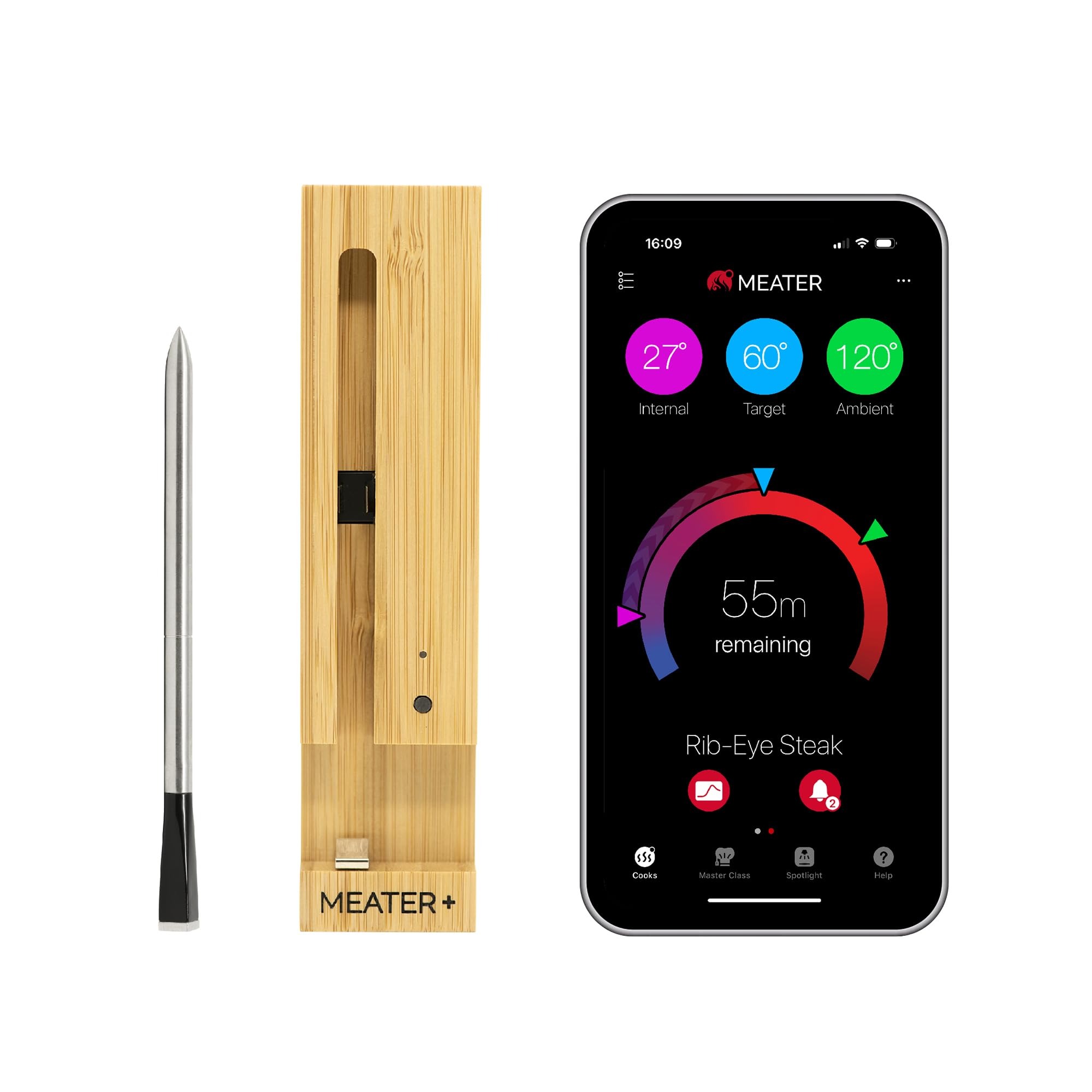
The advent of the meat thermometer revolutionized this process, introducing scientific precision to the kitchen. And among these innovations, the leave-in meat thermometer stands out. Unlike instant-read thermometers, which give a quick snapshot of temperature, a leave-in thermometer continuously monitors your food’s internal temperature as it cooks, providing real-time data that empowers you to control the cooking process with unprecedented accuracy. It’s like having a culinary co-pilot, guiding your meal to its ideal doneness, whether it’s a slow-roasted turkey or a perfectly seared prime rib.
Understanding Your Options: Types and Key Features of Leave-In Meat Thermometers
When searching for the best leave-in meat thermometer, you’ll encounter a variety of options, each designed to cater to different cooking styles and preferences. Understanding their core features is key to making the right choice for your kitchen.
Wired Probe Thermometers
Wired probe thermometers are the traditional workhorses of the leave-in category. They consist of a heat-resistant probe that you insert into the thickest part of your meat, which is then connected by a long, heat-resistant wire to a display unit that sits outside your oven, grill, or smoker.
- How They Work: The probe continuously senses the internal temperature of the food and transmits this data through the wire to the base unit, where it’s displayed on a screen. Many models feature programmable alarms that alert you once your target temperature is reached.
- Pros: Generally robust, reliable, often more affordable than their wireless counterparts, and don’t rely on batteries within the probe itself. They are excellent for long cooking sessions where consistent monitoring is paramount.
- Cons: The wire can be a minor inconvenience, requiring careful placement to avoid kinks or damage, and limiting the distance you can be from your cooking appliance.
- Key Features to Look For: Durable, high-temperature-rated wires; clear, backlit digital displays; user-friendly controls for setting alarms and timers; and a wide temperature range suitable for various cooking applications, from roasting to candy making.
Wireless (Bluetooth/Wi-Fi) Meat Thermometers
For those who value freedom of movement and smart technology, wireless meat thermometers offer an advanced solution. These devices eliminate the need for wires by transmitting temperature data wirelessly to a receiver unit or, more commonly, directly to your smartphone or tablet via Bluetooth or Wi-Fi.
- How They Work: The probe contains a small transmitter that sends data to a separate receiver or a dedicated app on your smart device. Many wireless systems come with multiple probes, allowing you to monitor several cuts of meat or even the ambient temperature of your grill or smoker simultaneously.
- Pros: Unparalleled convenience, allowing you to monitor your cook from across the room, yard, or even outside the house (with Wi-Fi models). Accompanying apps often provide advanced features like preset temperatures for various meats, custom cook profiles, temperature graphing, and estimated cook times.
- Cons: Typically higher in price, reliance on batteries for the probe and/or receiver, and potential range limitations, especially with Bluetooth-only models.
- Key Features to Look For: A reliable, long-range connection; a user-friendly and feature-rich app; multiple probes for versatility; and a durable, fully wireless probe design (some models have no external wires at all).
Mastering the Art: How to Use Your Leave-In Meat Thermometer Correctly
Even the best leave-in meat thermometer is only as good as its proper use. Following these guidelines will ensure you get the most accurate readings and achieve your “PerfectCook” every time:
- Probe Placement is Paramount: Always insert the probe into the thickest part of the meat, avoiding bones, fat, or gristle. Bones conduct heat differently, and fat can give an inaccurate reading. For poultry, place it in the thickest part of the thigh, not touching bone.
- Set Your Target Temperature: Consult a reliable meat temperature guide for safe internal temperatures and your desired doneness (e.g., medium-rare beef, well-done poultry). Most leave-in thermometers allow you to program a target temperature, triggering an alarm when it’s reached.
- Monitor and React: Keep an eye on the display or your app. When the alarm sounds, your meat is likely ready. Remember that carryover cooking means the internal temperature will continue to rise a few degrees after it’s removed from the heat, so you might want to pull it slightly before your target temperature.
- Consider Calibration: While many high-quality thermometers are pre-calibrated, periodically checking accuracy with an ice bath (32°F / 0°C) or boiling water (212°F / 100°C at sea level) can ensure continued precision.
Tips for Longevity and Optimal Performance
To ensure your leave-in meat thermometer remains a trusted culinary companion for years, a little care goes a long way:
- Clean with Care: Always hand wash probes with warm, soapy water after each use. Avoid submerging the entire probe or any electronic components of the base unit in water unless the manufacturer explicitly states it’s waterproof. Wipe down the display unit with a damp cloth.
- Protect the Wires: For wired models, be mindful of where the wire rests. Keep it away from direct flames or extremely hot surfaces that could melt the insulation.
- Battery Maintenance: For wireless units, keep spare batteries on hand or ensure rechargeable models are topped up. Remove batteries if the thermometer will be stored for an extended period to prevent corrosion.
- Proper Storage: Store your thermometer in a clean, dry place where probes and wires are not tangled or bent sharply. Many come with protective cases or magnetic backs for convenient storage.
The “PerfectCook” Advantage: Benefits of Using a Leave-In Meat Thermometer
Incorporating a best leave-in meat thermometer into your cooking arsenal offers a myriad of benefits that elevate your culinary game:
- Guaranteed Food Safety: Eliminate guesswork and ensure your meats reach the minimum safe internal temperatures, protecting your family from foodborne illnesses.
- Consistent, Delicious Results: Achieve the exact doneness you desire every single time, leading to juicier roasts, tender poultry, and perfectly cooked fish. Say goodbye to dry, chewy meat.
- Stress-Free Cooking Experience: No more opening the oven door repeatedly or hovering over the grill. Set your alarm and trust your thermometer to alert you when your meal is ready, freeing you up to focus on other aspects of your meal or simply relax.
- Versatility Across Cooking Methods: These thermometers are invaluable for oven roasting, grilling, smoking, slow cooking, deep-frying, and even candy making, adapting to virtually any cooking scenario.
- Efficiency: By preventing overcooking, you save food from being wasted and can even optimize cooking times, potentially saving energy.
Choosing Your Ideal “PerfectCook” Companion: What to Look For
Selecting the best leave-in meat thermometer involves weighing your specific needs against the available features:
- Accuracy and Speed: These are non-negotiable. Look for models with high precision (e.g., ±1°F/0.5°C) and quick response times.
- Durability: Probes and wires (for wired models) should be made from high-quality, heat-resistant materials that can withstand rigorous use.
- Display Readability: A clear, large, and possibly backlit display is crucial, especially when cooking outdoors or in low light.
- Connectivity Needs: Decide if a simple wired unit suffices or if the convenience of a wireless Bluetooth or Wi-Fi model with app integration is worth the extra investment.
- Number of Probes: Consider if you need to monitor multiple cuts of meat or both food and ambient temperatures simultaneously.
- Budget: Leave-in thermometers range widely in price. Determine what features are essential and find the best value within your budget.
- Brand Reputation: Brands like ThermoWorks, ThermoPro, and Meater+ consistently receive high marks for accuracy, durability, and customer support.
Expert Insight: A Word from Chef Anya Sharma
“As a chef, precision is everything,” says Chef Anya Sharma, a culinary instructor and cookbook author. “A great leave-in meat thermometer isn’t just a gadget; it’s an extension of your culinary skill. It gives you confidence, ensures food safety, and most importantly, consistently delivers that melt-in-your-mouth texture and incredible flavor that elevates a good meal to a truly perfect one. Invest in a reliable one, and your cooking will thank you.”
Frequently Asked Questions (FAQ)
Q1: Can I leave my meat thermometer in the oven or grill for the entire cook?
Yes, that’s precisely what a leave-in meat thermometer is designed for. The probe and its wire (or the entire wireless probe) are made with heat-resistant materials to withstand prolonged exposure to oven or grill temperatures, allowing continuous monitoring.
Q2: What’s the difference between an instant-read and a leave-in thermometer?
An instant-read thermometer provides a very quick temperature reading (1-3 seconds) but is not designed to stay in the meat during cooking. A leave-in thermometer, conversely, is meant to remain in the food throughout the cooking process, offering continuous temperature updates and often featuring alarms.
Q3: How do I know where to insert the probe?
Always insert the probe into the thickest part of the meat, ensuring it avoids touching any bones, fat, or gristle. For poultry, target the deepest part of the thigh or breast, away from bone. Proper placement is crucial for accurate readings.
Q4: Are wireless meat thermometers reliable?
Modern wireless meat thermometers, especially those from reputable brands, are highly reliable. They offer excellent accuracy and range, allowing you to monitor your cook remotely. However, it’s always good to check reviews and ensure the connectivity (Bluetooth or Wi-Fi) meets your needs.
Q5: How do I clean my meat thermometer?
For most models, the probe should be hand-washed with warm, soapy water and thoroughly dried. Avoid submerging the entire probe if it has electronic components not rated for full submersion. The display unit should be wiped clean with a damp cloth, never submerged.
Conclusion
Embracing the best leave-in meat thermometer is a game-changer for anyone dedicated to crafting delicious, perfectly cooked meals. It removes the guesswork, elevates food safety, and provides the confidence to tackle any roast, grill, or smoke with professional precision. By understanding the different types, their features, and how to use them effectively, you’re not just buying a tool; you’re investing in consistently achieving “PerfectCook” results that will impress every time. So go ahead, choose your ideal companion, and transform your cooking into an art form backed by science. Your taste buds, and those of your guests, will certainly thank you.