Ever pulled a perfectly seared steak from the grill, only to cut into it and find it disappointingly overcooked or, worse, still mooing? Or perhaps you’ve wrestled a magnificent roast from the oven, unsure if it’s truly safe to serve? The secret to consistently delicious, safely cooked meats, from a delicate fish fillet to a robust Thanksgiving turkey, lies in one indispensable kitchen gadget: the Best Meat Probe Thermometer. This isn’t just another tool; it’s your culinary confidant, ensuring every meal you prepare reaches PerfectCook standards.
The Indispensable Tool for PerfectCook: Why a Meat Probe Thermometer?
For centuries, cooks relied on experience, sight, and touch to determine meat doneness. While these methods have their charm, they often leave too much to chance, leading to inconsistent results and potential food safety risks. The advent of the meat thermometer revolutionized home cooking, providing an objective measure of internal temperature. Today, the modern meat probe thermometer, with its advanced sensors and smart features, takes the guesswork out entirely, empowering you to cook with confidence and precision. It’s about elevating your cooking from guesswork to gourmet, every single time.
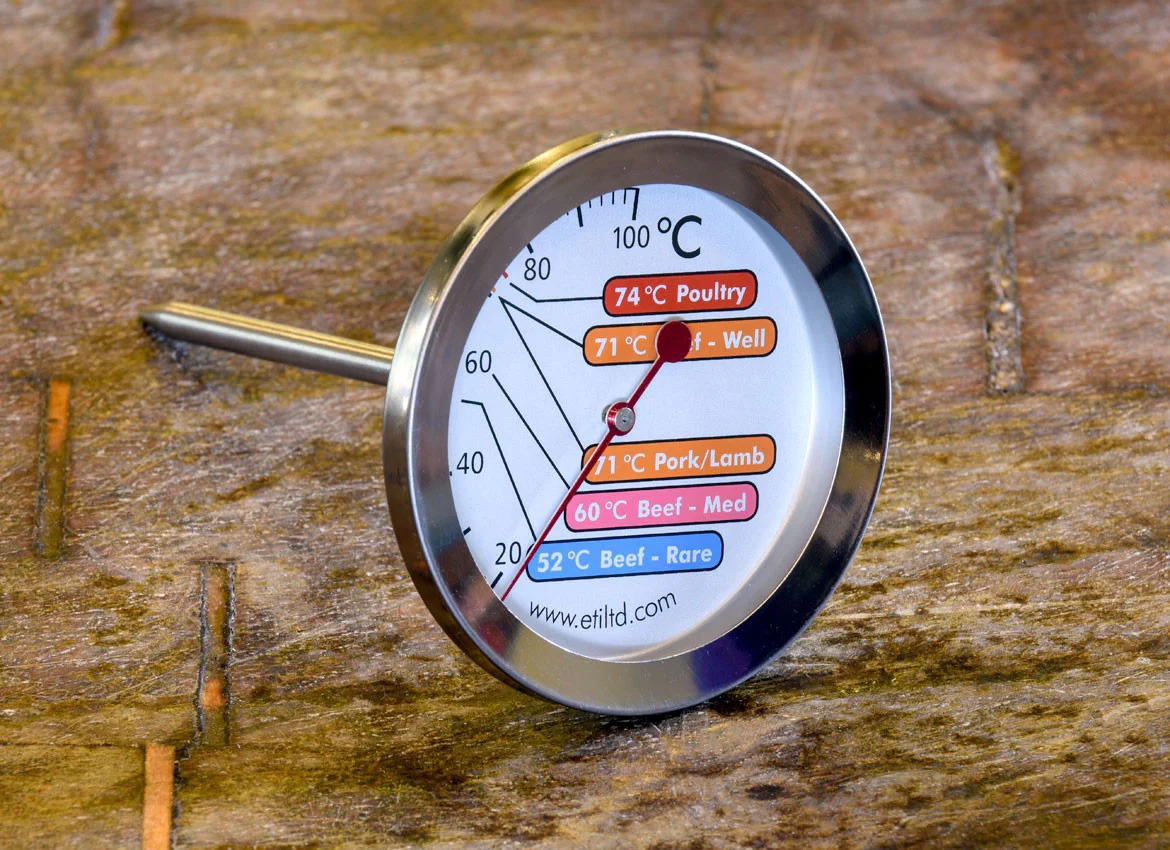
Navigating the World of Best Meat Probe Thermometers
When it comes to selecting the best meat probe thermometer, you’ll find a variety of designs, each tailored to different cooking styles and preferences. Understanding their nuances is key to finding your PerfectCook companion.
Instant-Read Thermometers: Quick Checks, Rapid Results
Imagine needing to check the doneness of multiple steaks quickly without losing all the heat from your grill. That’s where instant-read thermometers shine. These handheld devices feature a sharp, slim probe that you insert into the thickest part of the meat for just a few seconds, providing a precise temperature reading almost immediately. They are perfect for thinner cuts of meat, pan-searing, quick grilling, or when you need a snapshot of temperature during a longer cook. Their speed and portability make them a staple in any busy kitchen. However, they aren’t designed to be left in the meat throughout the entire cooking process.
Leave-In Probe Thermometers: Set It and Forget It (Almost!)
For those slow-roasted chickens, large briskets, or holiday turkeys that spend hours in the oven or smoker, a leave-in probe thermometer is your best friend. These thermometers typically consist of a heat-resistant probe connected by a durable wire to an external display unit. You insert the probe into the meat, close the oven or grill door (the wire is usually thin enough not to compromise the seal), and monitor the internal temperature from the display outside. Many models include programmable alarms that alert you once your target temperature is reached, freeing you from constant checking. This continuous monitoring is invaluable for achieving tender, juicy results without repeatedly opening your cooking appliance and losing precious heat.
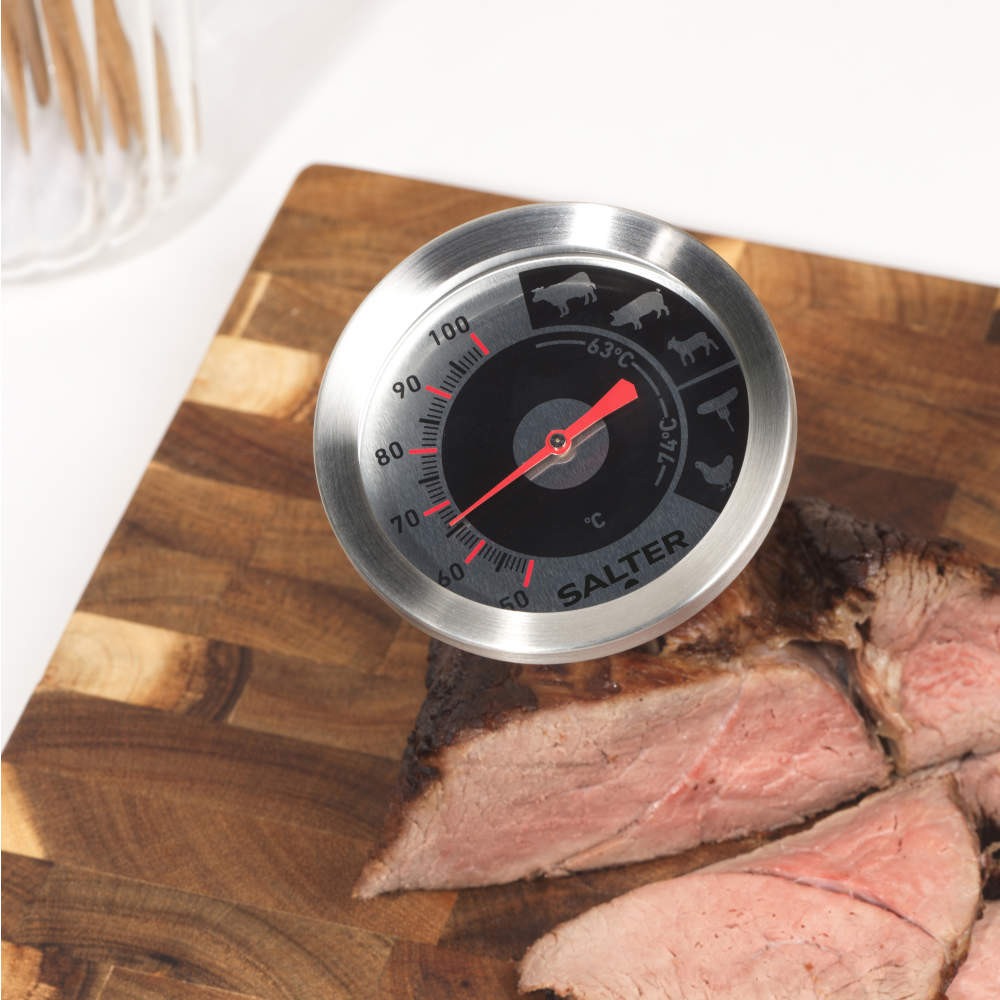
Wireless Smart Meat Thermometers: The Future of Remote Cooking
Stepping into the realm of cutting-edge culinary tech, wireless smart meat thermometers offer unparalleled convenience. These innovative devices, often completely wire-free, integrate Bluetooth or Wi-Fi connectivity to send real-time temperature data directly to your smartphone or tablet. The probes typically feature multiple sensors, monitoring both the internal temperature of your meat and the ambient temperature of your oven or grill. Their accompanying apps often provide estimated cooking times, customizable alerts, and even guided cooking programs. This allows you to truly “set it and forget it,” giving you the freedom to socialize or tend to other tasks while your food cooks to perfection, receiving notifications when it’s time to act. For barbecue enthusiasts and slow-roasting aficionados, a wireless meat probe thermometer is a game-changer.
What Makes the Best Meat Probe Thermometer? Key Features to Look For
Choosing the best meat probe thermometer means looking beyond the basic function and considering several key features that enhance performance, durability, and user experience.
Accuracy and Speed
At the heart of any great meat thermometer is its ability to deliver precise and rapid temperature readings. An ideal thermometer should be accurate within ±0.5°F (or ±1°C). For instant-read models, a response time of 1 to 4 seconds is considered excellent, ensuring minimal heat loss from your cooking vessel. For leave-in and wireless probes, consistent and reliable readings over extended periods are paramount.
Temperature Range
Consider the variety of cooking you do. A wide temperature range, typically from well below freezing (for cold spots) to over 500°F (for high-heat grilling or deep frying), ensures versatility. Some specialized wireless probes can even withstand ambient temperatures up to 1000°F, making them suitable for intense live-fire cooking.
Probe Design and Durability
The probe itself is critical. Look for food-grade stainless steel probes that are sturdy, sharp enough to insert easily, and of an appropriate length for the cuts of meat you typically cook. For leave-in and wireless models, the probe’s wire or construction must be heat-resistant and durable enough to withstand prolonged exposure to oven or grill temperatures without kinking or damage. Waterproof or splashproof ratings are also a huge plus for easy cleaning and preventing accidental damage.
Display and Interface
Whether it’s a dedicated display unit or a smartphone app, clarity and ease of use are essential. A bright, backlit display with large, easy-to-read numbers is a must, especially in dimly lit kitchens or during evening barbecues. For smart thermometers, an intuitive app with clear temperature graphs, alert settings, and pre-programmed doneness levels significantly enhances the cooking experience.
Alarms and Connectivity
Audible alarms are a fundamental feature for leave-in thermometers, signaling when your food has reached its target temperature. Smart thermometers extend this with customizable alerts sent to your phone, offering silent vibrate options or even pre-alarms to give you a heads-up before reaching the final temperature. Reliable Bluetooth or Wi-Fi connectivity is vital for wireless models, ensuring a consistent signal range so you can monitor your cook from a distance without interruptions.
Power Source and Battery Life
Consider whether you prefer rechargeable batteries or easily replaceable ones. Many high-quality digital thermometers offer impressive battery life, often with auto-on/off features to conserve power. Wireless probes usually come with charging docks that also serve as their base unit.
Mastering Your Meat: How to Use a Meat Probe Thermometer Effectively
Even the best meat probe thermometer is only as good as its user. Proper technique ensures accurate readings and safe, delicious results.
“The key to precision cooking is understanding where to place your probe,” advises culinary expert, Chef Isabella Rossi. “Always aim for the thickest part of the meat, avoiding bones, as bones can give misleadingly high readings.”
When inserting the probe, make sure the tip is centered in the thickest part and not touching any fat or gristle, which can also affect accuracy. For poultry, aim for the thickest part of the thigh, avoiding the bone. For whole roasts, multiple probe placements might be needed to confirm an even temperature.
Understanding target internal temperatures is crucial for both doneness and food safety. For instance, chicken and poultry should reach 165°F (74°C), while ground meats require 160°F (71°C). Beef, pork, and lamb can be cooked to lower temperatures for desired doneness, such as 145°F (63°C) for medium-rare, with a crucial resting period afterwards. Always consult a reliable temperature chart for specific meat types and desired doneness levels.
After each use, clean your probe thoroughly with hot, soapy water, paying special attention to the probe tip and cable (if wired). While many are splashproof, avoid submerging the entire unit unless explicitly stated as fully waterproof. Proper care ensures longevity and prevents cross-contamination.
The Juicy Benefits: Why a Meat Probe Thermometer is Your Kitchen MVP
Investing in a high-quality meat probe thermometer delivers a myriad of benefits that elevate your cooking.
Ensuring Food Safety
Perhaps the most critical benefit is food safety. Undercooked meats can harbor harmful bacteria, leading to foodborne illnesses. A reliable meat probe thermometer removes all doubt, allowing you to confidently cook meats to their scientifically recommended safe internal temperatures. This peace of mind is invaluable, especially when cooking for family and friends.
Achieving Consistent Doneness
Ever struggled to get that perfect medium-rare steak or a perfectly cooked roast that’s tender from edge to center? A meat probe thermometer ensures repeatable results. By accurately tracking the internal temperature, you can hit your desired doneness every single time, transforming inconsistent cooks into culinary triumphs. Say goodbye to guessing games and hello to culinary consistency.
Preventing Overcooking and Undercooking
Overcooking dries out meat, leaving it tough and flavorless, while undercooking can be unsafe and unappetizing. A meat probe thermometer acts as your guardian, alerting you the moment your food reaches its ideal temperature. This precision prevents both culinary catastrophes, guaranteeing juicy, tender, and perfectly cooked results.
Elevating Flavor and Texture
When meat is cooked to the precise internal temperature, its natural juices are retained, and its texture is optimized. This translates directly to more flavorful, succulent dishes. A meat probe thermometer allows you to unlock the full potential of your ingredients, ensuring every bite is a delightful experience. It allows the inherent deliciousness of the meat to shine through, unmarred by overzealous cooking.
Choosing Your PerfectCook Companion: Finding the Right Meat Probe Thermometer for You
Selecting the best meat probe thermometer ultimately boils down to your personal cooking habits and preferences.
- Consider your primary cooking method: Are you an avid griller, a dedicated roaster, or a low-and-slow smoking enthusiast? This will guide your choice between instant-read, wired leave-in, or wireless smart thermometers.
- Evaluate your budget: While there are excellent budget-friendly options, investing a bit more in a high-quality thermometer often pays dividends in accuracy, durability, and advanced features.
- Prioritize features: Do you need multiple probes for different cuts? Is remote monitoring essential for your lifestyle? Do you value an intuitive app interface? Make a list of your must-have features.
For instance, if you frequently smoke large cuts of meat for hours, a multi-probe wireless smart thermometer with a robust app and long range would be an excellent investment. If you mostly grill steaks and chicken, a super-fast instant-read thermometer might be all you need.
Frequently Asked Questions About Meat Probe Thermometers
What’s the difference between an instant-read and a leave-in thermometer?
An instant-read thermometer is used for quick spot checks and is removed after each reading. A leave-in thermometer, conversely, is designed to remain in the meat throughout the entire cooking process, continuously monitoring the temperature and often featuring an external display or app connectivity.
Can I leave a meat probe thermometer in the oven all the time?
While leave-in probe thermometers are designed for continuous use in ovens or grills, instant-read thermometers are not. Leaving an instant-read thermometer in the oven can damage its electronic components or melt plastic parts due to high, sustained heat.
How do I know if my meat thermometer is accurate?
You can test the accuracy of most meat thermometers using an ice bath. Fill a glass with crushed ice and water, let it sit for a few minutes, then insert your thermometer. It should read 32°F (0°C). For a boiling water test (at sea level), it should read 212°F (100°C).
What are the safe internal temperatures for common meats?
- Poultry (whole or ground): 165°F (74°C)
- Ground meats (beef, pork, lamb): 160°F (71°C)
- Beef, Pork, Lamb, Veal (steaks, roasts, chops): 145°F (63°C) with a 3-minute rest
- Fish: 145°F (63°C)
Always check a comprehensive food safety chart for specific recommendations.
Are wireless meat thermometers worth it?
Wireless meat thermometers offer significant convenience, especially for long cooks like smoking or roasting, as they allow you to monitor food temperatures remotely via an app. If you value freedom from constant manual checks and want advanced features like ambient temperature monitoring and guided cooking, they are definitely worth the investment.
How do I clean and care for my meat probe thermometer?
After each use, clean the probe with hot, soapy water and a cloth, then rinse and dry thoroughly. Avoid submerging the main display unit unless it’s explicitly rated as fully waterproof. Store the thermometer in a clean, dry place to protect it from damage.
Conclusion
The pursuit of perfectly cooked food is a journey, and the best meat probe thermometer is your most reliable guide. It’s a tool that champions food safety, guarantees consistent doneness, and unlocks a world of enhanced flavors and textures. Whether you opt for the lightning-fast precision of an instant-read, the steadfast monitoring of a leave-in, or the cutting-edge convenience of a wireless smart thermometer, you’re choosing to elevate your culinary game. So, embrace the power of precise temperature control and transform every meal into a PerfectCook masterpiece. Get your ideal meat probe thermometer today and taste the difference!