Imagine hosting a backyard BBQ, the aroma of perfectly seared steak or slow-smoked brisket filling the air. You’re mingling with guests, maybe enjoying a drink, without the constant worry of overcooking your prized protein. This dream becomes a delicious reality with the magic of a WiFi meat thermometer. No more hovering over the grill or repeatedly opening the oven door, releasing precious heat. A good WiFi meat thermometer is your secret weapon for achieving consistent, mouth-watering results every single time, ensuring both culinary perfection and food safety.
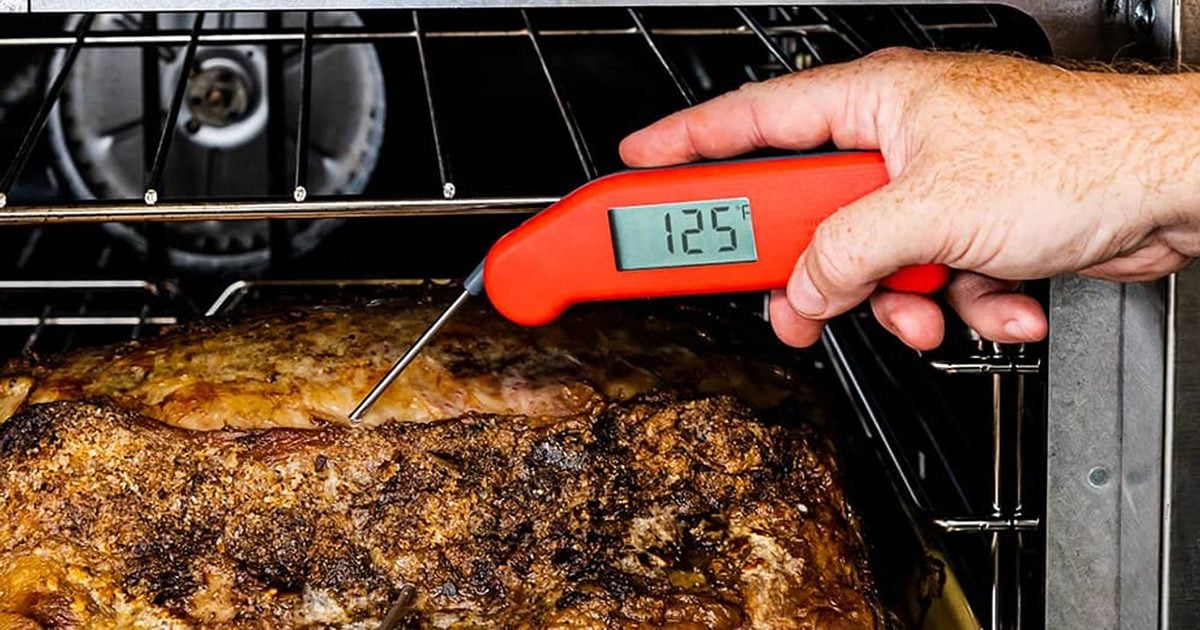
For anyone who loves to cook, from the casual backyard griller to the seasoned pitmaster, precision is key. A few degrees can be the difference between a juicy, tender roast and a dry, disappointing one. That’s where a smart thermometer truly shines, offering real-time temperature monitoring directly to your smartphone, no matter where you are in your home or yard. Let’s dive into the world of the Best Wifi Meat Thermometers and discover how to choose the perfect one for your kitchen adventures.
The Evolution of Precision: What is a WiFi Meat Thermometer?
At its core, a meat thermometer measures the internal temperature of your food, ensuring it reaches safe and desired doneness levels. For years, this meant instant-read thermometers or wired probes that required you to stay tethered to your cooking appliance. Then came Bluetooth, offering a bit more freedom. However, WiFi meat thermometers represent the ultimate leap in convenience, connecting directly to your home network.
Unlike Bluetooth models that have limited range, many WiFi thermometers can send temperature data to an app on your smartphone from virtually anywhere with an internet connection. Some sophisticated systems even feature “fully wireless” probes with no external wires at all, eliminating tangles and potential heat damage, a common issue with traditional wired probes. This innovation has revolutionized how we approach grilling, smoking, and roasting, turning guesswork into guaranteed success.
Why Embrace the WiFi Advantage in Your Kitchen?
Choosing a WiFi meat thermometer isn’t just about owning a fancy gadget; it’s about unlocking a new level of cooking confidence and convenience.
Unparalleled Convenience and Freedom
The most apparent benefit is the freedom it offers. You can check your brisket’s temperature while gardening, supervising kids, or simply relaxing indoors. The days of constantly peeking under the grill lid are over.
Pinpoint Precision for Perfect Doneness
These thermometers provide accurate, real-time internal and often ambient temperatures. Many apps include preset temperatures for various meats and doneness levels, helping you hit that sweet spot every time. Some even offer predictive analytics, estimating when your food will be ready.
Enhanced Food Safety
Undercooked meat is a health risk. A WiFi meat thermometer ensures your food reaches the USDA-recommended safe internal temperatures, giving you peace of mind.
Data-Driven Cooking
Many accompanying apps log your cooking sessions, creating a history of temperatures over time. This data is invaluable for replicating successful cooks, troubleshooting issues, or refining your techniques. If you ever craft the “best brisket of your life,” you’ll have the data to do it again.
Key Features to Consider When Choosing Your Best WiFi Meat Thermometer
Navigating the market for the best WiFi meat thermometer can be daunting with so many options. Here’s what to keep an eye on:
Connectivity and Range
While the term is “WiFi meat thermometer,” some models use a hybrid approach. Many fully wireless probes connect via Bluetooth to a base unit, which then uses WiFi to connect to your home network and app. WiFi offers the longest range, often “unlimited” as long as your phone has internet access, but Bluetooth is simpler for closer monitoring or when WiFi isn’t available. Consider your cooking environment – do you need to monitor from far away, or is your cooking space close to your phone?
Probe Design and Sensors
Look for probes that are durable and can withstand high temperatures. Many probes now include multiple sensors: one or more for the internal meat temperature and another for the ambient temperature of your grill, smoker, or oven. This dual sensing is crucial for maintaining consistent pit temperatures, especially during long smokes. Probe length and minimum insertion depth are also important, particularly for larger cuts of meat. A longer probe (at least 5 inches) ensures you can reach the center of thick roasts or whole poultry.
Accuracy and Speed
A thermometer is only as good as its readings. Look for models with high accuracy ratings (e.g., within ±1°F or less) and quick response times. While fully wireless probes might not be “instant-read” fast, they should provide updates frequently enough to be useful.
App Experience
The app is where you’ll interact most with your WiFi thermometer. It should be intuitive, easy to set up, and provide clear data visualization. Essential app features include:
- Temperature Monitoring: Real-time internal and ambient temperatures.
- Customizable Alerts: Set high/low temperature alarms, “done” alerts, or even “early warnings” (e.g., 5 degrees before target).
- Presets: Built-in temperature guides for various meats and doneness levels.
- Cook History & Graphs: Review past cooks to learn and replicate.
- Cloud Connectivity: Access your cook data from anywhere.
Battery Life and Charging
For fully wireless probes, battery life is critical. Some offer dozens of hours on a single charge, while others boast much longer. Consider how long your typical cook lasts. Many probes recharge in their base unit, which might be powered by disposable batteries or USB-C.
Durability and Build Quality
Your thermometer will face heat, grease, and sometimes the elements. Look for robust construction, heat-resistant probes, and water resistance (IP-rated models are a plus). Dishwasher-safe probes are a convenient bonus for cleanup.
Number of Probes
Do you typically cook one item, or do you need to monitor multiple cuts or different parts of a large turkey? Single, dual, and quad-probe systems are common. Multi-probe systems are invaluable for complex cooks or when catering to different doneness preferences.
“Choosing the right WiFi meat thermometer is like picking a co-pilot for your culinary journey,” says Chef Lena Sharma, a renowned BBQ expert. “It needs to be reliable, informative, and fit seamlessly into your workflow. Don’t underestimate the power of a good app – it’s your control center.”
How to Use Your WiFi Meat Thermometer for Perfect Results
Using a WiFi meat thermometer effectively is straightforward, but a few best practices will elevate your cooking:
- Proper Probe Placement: Insert the probe into the thickest part of the meat, avoiding bone or large pockets of fat, which can give inaccurate readings. For fully wireless probes, ensure the minimum insertion mark is fully embedded.
- Set Your Target Temperatures: Use the app’s presets or customize your own based on desired doneness and food safety guidelines. Remember that different meats require different safe internal temperatures.
- Understand Carryover Cooking: Meat continues to cook after being removed from the heat. Set your thermometer alarm a few degrees below your target temperature to account for this “carryover,” especially with larger cuts, ensuring your meat doesn’t overcook.
- Monitor Ambient Temperature: If your thermometer has an ambient probe, use it! Maintaining a consistent grill or smoker temperature is as important as the meat’s internal temp, especially for low-and-slow cooking.
Maintenance and Care Tips
Taking care of your WiFi meat thermometer will ensure its longevity and accuracy:
- Clean Immediately: Wipe down probes with hot, soapy water immediately after use to prevent residue from hardening. Most probes are hand-wash only; avoid submerging the entire unit or charging base unless explicitly stated as waterproof.
- Calibration: Periodically check your thermometer’s accuracy using an ice bath (should read 32°F / 0°C) or boiling water test. Many digital thermometers allow for recalibration if needed.
- Proper Storage: Store all components together, ideally in their original case, to protect probes and prevent damage.
- Keep Charged: If using rechargeable probes, always return them to their charging base after each use so they’re ready for your next cook. For disposable battery units, keep spares on hand.
FAQs About WiFi Meat Thermometers
What’s the main difference between Bluetooth and WiFi meat thermometers?
The primary difference lies in range and connectivity. Bluetooth thermometers connect directly to your phone within a limited range (typically 30-100 feet, often less with obstructions). WiFi thermometers connect to your home network, allowing you to monitor your cook from much farther away—often anywhere you have internet access.
Can I leave my WiFi meat thermometer in the meat during the entire cooking process?
Yes, this is one of the main advantages! Most WiFi meat thermometer probes are designed to be left in the meat from start to finish. However, always check the manufacturer’s maximum ambient temperature rating for the probe to ensure it can withstand the heat of your oven, grill, or smoker.
How accurate are WiFi meat thermometers?
Reputable WiFi meat thermometers are very accurate, often within ±1°F or less. However, like all thermometers, they can drift over time. Regular calibration (e.g., using an ice bath) is recommended to ensure continued precision.
Do I need multiple probes?
It depends on your cooking style. If you frequently cook different types of meat simultaneously, or large cuts that might cook unevenly (like a whole turkey), multiple probes are incredibly beneficial. Each probe typically monitors a separate “channel” on your app, giving you individual readings.
What if my WiFi signal is weak in my backyard?
Some WiFi thermometer systems act as signal boosters, or their base unit connects to your WiFi and then uses a stronger internal signal to communicate with the probes. For truly long-range needs, a robust home WiFi network is essential, or consider a model with an RF (Radio Frequency) component for extended local range.
Are fully wireless probes better than wired probes to a WiFi base unit?
Fully wireless probes offer ultimate freedom from wires, reducing clutter and potential failure points from heat exposure or tangling. However, wired probes to a WiFi base can sometimes offer more sensors or specific functionalities (like a dedicated ambient probe) and may be more robust in some high-heat applications. Both have their merits depending on your preference.
Your Journey to Culinary Excellence Starts Here
Embracing a WiFi meat thermometer is more than just buying a new kitchen gadget; it’s an investment in your culinary skill and peace of mind. It transforms the often-stressful act of cooking into a relaxed and controlled experience, ensuring every cut of meat emerges perfectly cooked, juicy, and safe to eat. Whether you’re aiming for a flawlessly medium-rare steak, a tender, falling-off-the-bone brisket, or a perfectly roasted chicken, the best WiFi meat thermometer will be your most trusted companion.
So, go ahead, choose the WiFi meat thermometer that best fits your needs, and unlock a world of precision cooking. Your taste buds—and your guests—will thank you!