Imagine a world where every steak is seared to succulent perfection, every roast cooked through without a hint of dryness, and every piece of poultry is undeniably safe to eat. This isn’t a culinary fantasy; it’s the reality an Electronic Meat Thermometer brings to your kitchen. Gone are the days of guesswork, anxious prodding, and slicing into your prized dish only to find it undercooked or overdone. With this indispensable tool, precise cooking becomes not just possible, but effortlessly consistent.
From Guesswork to Gastronomy: The Rise of the Electronic Meat Thermometer
For centuries, cooks relied on touch, sight, and experience to judge the doneness of meat. While these methods held a certain rustic charm, they were often imprecise and, more critically, risked food safety. The advent of the thermometer brought a scientific edge to cooking, and the evolution to the electronic meat thermometer marked a significant leap. These modern marvels transformed cooking from an art based on intuition into a science of exactitude, ensuring both culinary excellence and crucial food safety standards are met with every meal.
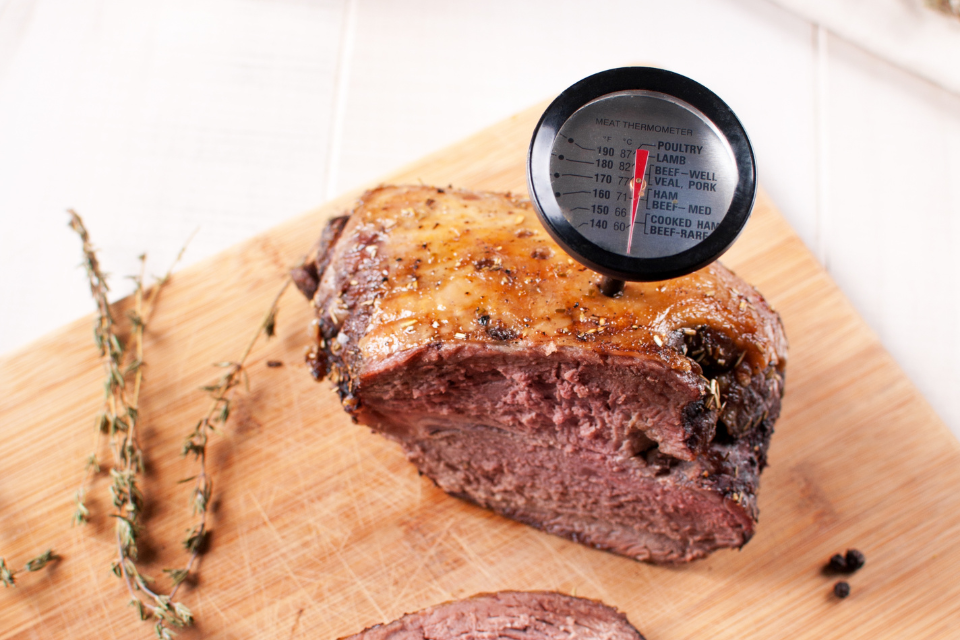
Navigating the Digital Landscape: Types and Features of Electronic Meat Thermometers
The world of electronic meat thermometers offers a variety of options, each designed to cater to different cooking styles and preferences. Understanding their types and features is key to finding your perfect cooking companion.
Instant-Read Thermometers
These are your quick-draw heroes. With a slim probe and a digital display, instant-read thermometers provide a temperature reading in mere seconds—often between one to seven seconds. They are ideal for spot-checking the doneness of thinner cuts like steaks, chicken breasts, or burgers, or for verifying the temperature of a roast before it comes off the heat. Their speed prevents excessive heat loss, making them perfect for quick checks.
Leave-In Probe Thermometers
When your cooking process spans more than a few minutes, a leave-in probe thermometer becomes invaluable. As the name suggests, its probe remains inserted in the meat throughout the cooking process, whether in the oven, on the grill, or in a smoker. A thin, heat-resistant cable connects the probe to an external display unit, allowing you to monitor the internal temperature without opening the oven or grill, thus maintaining consistent cooking conditions. Many models come with programmable alarms that alert you when your desired temperature is reached.
Wireless and Smart Meat Thermometers
Taking convenience to the next level, wireless and smart meat thermometers utilize Bluetooth or Wi-Fi technology to transmit temperature data to a remote receiver or a smartphone app. This means you can monitor your culinary masterpiece from the living room, backyard, or even another room, giving you unparalleled freedom and flexibility. Advanced smart models often include features like multiple probes (for monitoring different cuts or ambient temperature), preset temperature guides for various meats and doneness levels, and historical temperature graphing. While Bluetooth can sometimes be spotty over long distances or through walls, Wi-Fi connected models typically offer a more robust and extended range.
Key Features to Look For:
- Accuracy: Most reputable electronic meat thermometers boast an accuracy within 1-2 degrees Fahrenheit (1°C), which is more than sufficient for home cooking.
- Response Time: While crucial for instant-read, a reasonable response time (under 10-15 seconds) is still beneficial for probe thermometers.
- Durability: Look for probes with sturdy construction and heat-resistant cables. Braided metal cables are often more durable for high-heat environments like grills, though silicone-coated wires are less prone to kinking.
- Display: A large, clear, and backlit digital display ensures easy reading, even in low light.
- Alarms: High and low-temperature alarms are excellent features for preventing overcooking or undercooking.
- Battery Life: Consider the battery type (rechargeable vs. disposable) and its longevity, especially for wireless models.
Mastering the Art: How to Use Your Electronic Meat Thermometer Correctly
Using an electronic meat thermometer might seem straightforward, but a few key techniques can ensure you get the most accurate readings and the best results every time.
Where Should the Probe Go?
Proper probe placement is paramount. Always insert the thermometer probe into the thickest part of the meat. This is typically the coolest area, giving you the most accurate reading of the meat’s internal temperature. Crucially, avoid touching bones, gristle, or large pockets of fat, as these can conduct heat differently and lead to inaccurate readings. For thinner cuts like burgers or fish fillets, insert the probe horizontally from the side. For larger roasts or whole poultry, it’s wise to take readings from a few different spots to ensure even cooking.
Patience is a Virtue: Waiting for Stability
Once inserted, give your thermometer a few seconds to stabilize. While instant-read models are quick, even they need a moment to settle on the true temperature. For probe thermometers, the continuous display will clearly show the temperature as it rises, allowing you to track progress.
Understanding Carryover Cooking
This is a game-changer for perfectly cooked meat. Meat continues to cook even after it’s removed from the heat source due to residual heat. This phenomenon, known as “carryover cooking,” can increase the internal temperature by 5 to 10 degrees Fahrenheit or even more, especially for larger cuts. Therefore, always remove your meat from the heat source when it’s 5 to 10 degrees below your desired final temperature. Allow the meat to rest, loosely tented with foil, for 5-10 minutes (or longer for large roasts). This resting period not only allows carryover cooking to complete but also enables juices to redistribute, resulting in a more tender and flavorful product.
“A common mistake I see home cooks make is pulling their meat off the heat exactly at the target temperature,” advises Chef Isabella Rossi, a seasoned culinary instructor. “Always factor in carryover cooking. Removing it a few degrees early and letting it rest will give you incredibly juicy results and prevent overcooking.”
A Quick Check: Thermometer Calibration
While most modern electronic thermometers are factory-calibrated, it’s a good practice to occasionally check their accuracy. A simple ice water bath test is all you need: fill a glass with crushed ice and water, stir, then insert your thermometer. It should read 32°F (0°C) within about 30 seconds. If it doesn’t, consult your thermometer’s manual for calibration instructions.
Keeping it Pristine: Tips for Using and Maintaining Your Electronic Meat Thermometer
Your electronic meat thermometer is a precision tool, and a little care goes a long way in ensuring its longevity and accurate performance.
- Clean Immediately: After each use, clean the probe with hot, soapy water immediately. Food juices and fats can harden quickly, making cleaning more difficult and potentially affecting future readings. Avoid immersing the entire unit (unless it’s specifically designed to be fully waterproof) – typically, only the probe is meant for contact with food and heat.
- Mind the Wires: For probe thermometers, handle the connecting wires gently. Repeated kinking or sharp bends can damage the internal conductors, leading to inaccurate readings or device failure. Loop them loosely for storage.
- Battery Care: For battery-operated models, remove batteries if the thermometer will be stored for an extended period to prevent corrosion. For rechargeable models, follow the manufacturer’s charging guidelines.
- Storage: Store your thermometer in a clean, dry place, perhaps in its original case or a designated drawer, to protect it from physical damage.
The PerfectCook Advantage: Benefits of Using an Electronic Meat Thermometer
Integrating an electronic meat thermometer into your cooking routine brings a host of benefits that elevate your culinary experience, ensuring every meal is a triumph.
Unwavering Precision and Consistency
Say goodbye to guessing games. An electronic meat thermometer provides precise, real-time temperature readings, allowing you to hit your target doneness every single time. This consistency is invaluable, whether you’re aiming for a perfectly medium-rare steak or a fully cooked, tender pork loin.
The Ultimate in Food Safety
Undercooked meat is a health hazard. An electronic meat thermometer is your first line of defense against foodborne illnesses. By accurately measuring the internal temperature, you can ensure that poultry, pork, and ground meats reach the safe minimum internal temperatures recommended by food safety authorities, giving you and your diners peace of mind.
Unmatched Convenience and Time Efficiency
Wireless and smart electronic meat thermometers are game-changers for busy cooks. Imagine slow-roasting a brisket or smoking a turkey without being tethered to the kitchen. With remote monitoring via an app, you can attend to guests, prepare side dishes, or simply relax, all while receiving real-time temperature updates and alerts on your phone. This hands-free approach not only saves time but also significantly reduces cooking stress.
Enhanced Flavor and Texture
Overcooking dries out meat and makes it tough. Undercooking leaves it chewy and unappetizing. With an electronic meat thermometer, you can pull your meat off the heat at its optimal moment, locking in juices and ensuring a tender, flavorful result that will impress everyone at the table.
Culinary Versatility
These thermometers aren’t just for roasts and grills. They are incredibly versatile tools perfect for:
- Grilling: Achieving the perfect char and internal doneness for steaks, burgers, and chicken.
- Smoking: Maintaining consistent low temperatures over long periods for fall-off-the-bone ribs and brisket.
- Roasting: Ensuring large cuts of beef, pork, or whole poultry are cooked evenly throughout.
- Baking: Verifying the internal temperature of breads or casseroles.
- Candy Making: Precisely reaching critical temperature stages for perfect confections.
- Deep Frying: Monitoring oil temperatures for optimal crispiness.
Making the Smart Choice: Choosing the Right Electronic Meat Thermometer
With so many excellent options available, selecting the ideal electronic meat thermometer for your kitchen boils down to understanding your cooking habits and priorities.
- Consider Your Cooking Style: Are you primarily a quick-griller who needs rapid checks? An instant-read model is likely your best bet. Do you love slow-roasting, smoking, or baking large cuts? A leave-in probe or a wireless thermometer will offer the continuous monitoring you need.
- Think About Connectivity: If you enjoy multitasking or spending time away from the grill/oven, a wireless model with Bluetooth or Wi-Fi connectivity and an intuitive app will be a significant upgrade. If you prefer a simpler, app-free experience, a basic leave-in probe with an alarm might be perfect.
- Probe Count: A single probe is fine for most uses, but if you frequently cook multiple items simultaneously or want to monitor both meat and ambient oven/grill temperature, a multi-probe thermometer is a wise investment.
- Budget: Electronic meat thermometers are available across a wide price range. Determine what features are essential for you and find a model that offers the best balance of performance and cost. Remember, a reliable thermometer is an investment in countless perfectly cooked meals and enhanced food safety.
Frequently Asked Questions
Q: How deep should I insert the electronic meat thermometer probe?
A: For most accurate readings, insert the probe into the thickest part of the meat, ensuring the tip is in the center and not touching bone, fat, or gristle. For thinner cuts, insert it from the side until the tip reaches the center.
Q: Can I leave my electronic meat thermometer in the oven or grill during cooking?
A: Most leave-in probe thermometers are designed to be oven-safe and grill-safe, with heat-resistant cables connecting to an external display. However, instant-read thermometers should never be left in the oven or grill, as their electronic components are not designed for continuous high heat. Always check your specific thermometer’s instructions.
Q: How do I clean my electronic meat thermometer?
A: The probe should be cleaned immediately after use with hot, soapy water. Avoid immersing the entire digital unit in water unless it is explicitly stated as fully waterproof. Wipe the main unit with a damp cloth if needed.
Q: What is “carryover cooking” and why is it important for an electronic meat thermometer?
A: Carryover cooking refers to the phenomenon where meat continues to cook and its internal temperature rises even after it’s removed from the heat source. It’s important because you should remove meat 5-10°F below your target internal temperature, allowing carryover cooking to bring it to the perfect final doneness and ensure juiciness.
Q: Are wireless meat thermometers really worth the investment?
A: Absolutely! Wireless meat thermometers offer unparalleled convenience by allowing you to monitor your food’s temperature remotely, freeing you from constantly checking the oven or grill. This reduces stress, improves time management, and ensures consistent results, making them a worthwhile investment for many home cooks and grill masters.
The PerfectCook Promise: Elevating Your Culinary Journey
An electronic meat thermometer is more than just a kitchen gadget; it’s a gateway to culinary confidence and consistency. By embracing this technology, you unlock the secret to perfectly cooked, flavorful, and safe meals every single time. It’s about taking control, eliminating stress, and savoring the joy of bringing impeccable dishes to your table. So, go ahead, choose your PerfectCook companion, and embark on a journey of delicious discovery. Your taste buds—and your peace of mind—will thank you.