Are you tired of guessing if your chicken is truly cooked through or if your steak has reached that elusive medium-rare perfection? An Internal Meat Thermometer is your secret weapon, transforming guesswork into culinary precision. It’s not just about avoiding undercooked food; it’s about elevating every meal to “PerfectCook” standards, ensuring both safety and sensational flavor. This indispensable tool brings scientific accuracy to your kitchen, giving you the confidence to tackle any cut of meat, from a holiday roast to everyday grilled chicken.
The Unsung Hero of the Kitchen: Why Every Cook Needs an Internal Meat Thermometer
For centuries, cooks relied on touch, sight, and experience to determine if meat was ready. While these methods can be artful, they often fall short of consistent, safe results. Enter the internal meat thermometer – a game-changer that has revolutionized home cooking and professional kitchens alike. Its primary role is to measure the core temperature of your food, providing an undeniable indicator of doneness and, crucially, food safety. Without it, you might be serving food that looks cooked on the outside but harbors harmful bacteria within, or conversely, needlessly overcooking a beautiful cut of meat into a dry, sad shadow of its potential.
Unpacking the Different Types of Internal Meat Thermometers
The world of internal meat thermometers offers a variety of choices, each suited for different cooking styles and preferences. Understanding their nuances is key to finding your ideal kitchen companion.
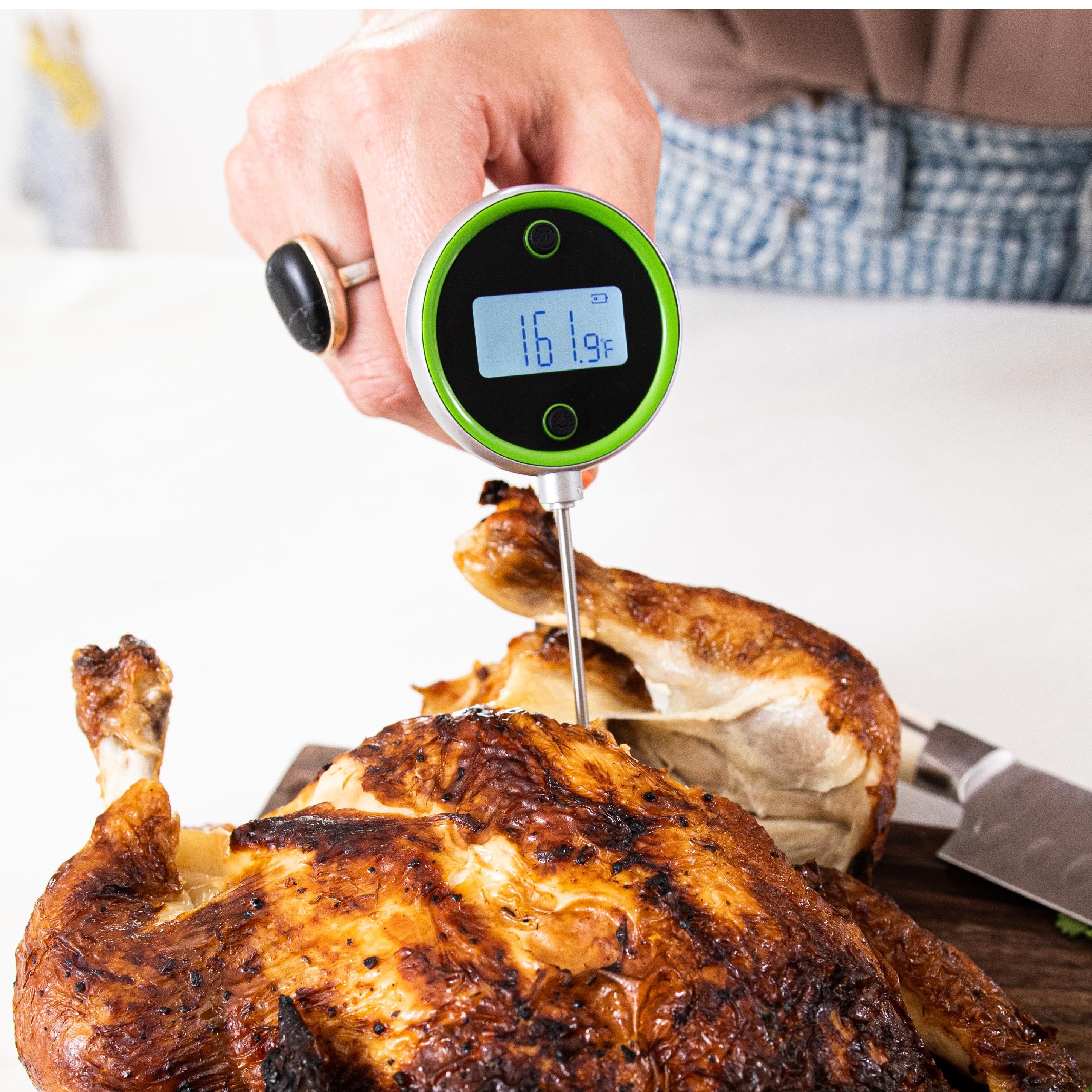
- Digital Instant-Read Thermometers: These are swift and precise, providing a temperature reading within a few seconds. They are ideal for quick checks on steaks, chops, or burgers, where you frequently open the oven or grill lid. You insert, read, and remove.
- Leave-In Probe Thermometers: Designed to remain in the meat throughout the cooking process, these often come with a heat-resistant wire connecting the probe inside the oven/grill to a display unit outside. They’re perfect for roasts, briskets, or whole poultry, allowing you to monitor temperature without constantly opening the door and losing heat. Many models include alarms that sound when your target temperature is reached.
- Wireless Smart Thermometers: The pinnacle of convenience, these advanced leave-in probes connect via Bluetooth or Wi-Fi to an app on your smartphone. They can monitor both the internal meat temperature and the ambient cooking temperature of your oven or grill, often providing estimated cooking times and guided programs. They offer unparalleled freedom, letting you mingle with guests or tend to other tasks without being tethered to the kitchen.
- Analog (Dial) Thermometers: These are traditional, battery-free thermometers that use a coiled spring to register temperature. While generally less precise and slower to react than digital models, they are affordable and can often be left in the oven. They require a deeper insertion, typically 2-2.5 inches.
Each type of internal meat thermometer brings its own strengths, allowing you to choose one that perfectly aligns with your culinary adventures.
Your Step-by-Step Guide: How to Use an Internal Meat Thermometer Like a Pro
Using an internal meat thermometer effectively is simpler than you might think, but a few key techniques ensure accurate readings and perfect results every time.
What is the ideal placement for the thermometer probe?
The golden rule for accurate readings is to insert the probe into the thickest part of the meat, making sure to avoid bones, gristle, or large pockets of fat. These areas conduct heat differently and can give you a misleading temperature. For whole poultry, check the innermost part of the thigh, wing, and the thickest part of the breast. For thinner cuts like burgers or fish fillets, insert the thermometer through the side, angling it towards the center.
How do you read an internal meat thermometer accurately?
For instant-read digital thermometers, insert the probe and wait a few seconds for the reading to stabilize. Analog thermometers may take longer. With leave-in probes, you monitor the external display. Remember, meat continues to cook even after it’s removed from the heat source – this is called “carryover cooking.” To account for this, remove your meat when it’s 5-10 degrees Fahrenheit below your target final temperature. Then, allow it to rest.
Expert Insight: “Many home cooks underestimate the importance of proper probe placement,” explains Chef Olivia Chen, culinary safety expert for PerfectCook. “A misplaced probe can mean the difference between a perfectly juicy roast and a dry, overcooked disappointment, or worse, a food safety risk.”
Essential Tips for Using and Maintaining Your Internal Meat Thermometer
To keep your internal meat thermometer performing at its best and to ensure consistently safe and delicious meals, proper care and understanding are vital.
How often should I calibrate my meat thermometer?
Regular calibration ensures your thermometer remains accurate. For most thermometers, you can easily test its accuracy using an ice water bath. Fill a glass with crushed ice, add a small amount of cold water, and insert your thermometer, making sure the probe doesn’t touch the sides or bottom. After about 30 seconds, it should read 32°F (0°C). If it’s off, follow the manufacturer’s instructions for recalibration, or consider replacing it. Calibrate regularly, especially after any drops or significant temperature changes.
Can an internal meat thermometer be left in the oven during cooking?
This depends entirely on the type of thermometer. Leave-in probe thermometers and oven-safe dial thermometers are specifically designed to withstand prolonged exposure to high oven or grill temperatures. Instant-read thermometers, however, are not. Leaving an instant-read thermometer in the oven can damage its electronic components or melt its plastic parts. Always check your thermometer’s specifications before leaving it in the cooking environment.
Beyond calibration and proper usage, remember to clean your thermometer thoroughly with hot, soapy water after each use to prevent cross-contamination. Store it safely to avoid damage to the probe tip.
The Culinary Revolution: Benefits of Using an Internal Meat Thermometer
Embracing an internal meat thermometer in your cooking routine brings a host of benefits that extend far beyond simply knowing when your food is “done.”
- Uncompromised Food Safety: This is perhaps the most critical benefit. Harmful bacteria thrive in the “danger zone” between 40°F and 140°F (4°C and 60°C). An accurate thermometer ensures your food reaches and maintains the safe minimum internal temperatures recommended by food safety authorities, preventing foodborne illnesses.
- Consistent, Perfect Doneness: Say goodbye to dry, overcooked chicken or tough, undercooked roasts. With a thermometer, you can hit your desired doneness every single time, whether it’s a perfectly pink medium-rare steak or a tender, juicy pork chop.
- Reduced Food Waste: No more cutting into a steak multiple times to check doneness, only to find it’s overcooked. By using an internal meat thermometer, you cook precisely, reducing the chances of ruining expensive cuts of meat.
- Confidence in the Kitchen: Knowing exactly what’s happening inside your food builds immense confidence. You’ll be more adventurous with new recipes and different cuts of meat, trusting that you have the tools to ensure success.
- Optimal Flavor and Texture: Meat cooked to the correct internal temperature retains more moisture and flavor, resulting in a superior eating experience. The critical resting period, guided by your thermometer, allows juices to redistribute, enhancing tenderness and taste.
An internal meat thermometer isn’t just a gadget; it’s an investment in better cooking, safer meals, and more enjoyable dining.
Choosing Your PerfectCook Companion: Selecting the Right Internal Meat Thermometer
Selecting the best internal meat thermometer for your needs involves considering your cooking habits, budget, and desired features.
- Consider Your Cooking Style: Do you mostly grill quick-cooking items like burgers and steaks? An instant-read digital thermometer might be perfect. Are you a fan of slow-roasting large cuts or smoking BBQ? A leave-in probe or wireless smart thermometer will offer continuous monitoring.
- Accuracy and Speed: Look for thermometers known for their rapid and accurate readings. A difference of a few degrees can impact both safety and taste. High-quality digital thermometers are generally the most accurate.
- Display and Features: A clear, easy-to-read display is crucial. Backlit screens are great for low-light conditions (like grilling at night). Advanced features like alarms, preset temperatures, and app connectivity can enhance your cooking experience.
- Durability and Ease of Cleaning: Choose a thermometer made from robust, food-grade materials. Water resistance is a huge plus for easy cleaning, and some probes are even dishwasher safe.
- Budget: Thermometers range widely in price. Determine what features are essential for you and find the best quality within your budget. Remember, a slightly higher investment often means greater accuracy, durability, and convenience.
For a busy home cook who loves to entertain, a wireless smart thermometer offers freedom. For the precise grill master, a fast instant-read might be ideal. At “PerfectCook,” we believe the best internal meat thermometer is the one you’ll use consistently to achieve delicious and safe results.
Frequently Asked Questions About Internal Meat Thermometers
Cooking with confidence means having answers. Here are some common questions about using an internal meat thermometer.
What are the safe internal temperatures for different meats?
The USDA provides clear guidelines for safe minimum internal cooking temperatures to prevent foodborne illness:
- Beef, Pork, Veal, and Lamb (steaks, chops, and roasts): 145°F (62.8°C) with a 3-minute rest.
- Ground Meats (beef, pork, lamb, veal): 160°F (71.1°C).
- All Poultry (ground or whole): 165°F (73.9°C).
- Fish & Shellfish: 145°F (62.8°C).
- Eggs: 160°F (71.1°C).
- Leftovers & Casseroles: 165°F (73.9°C) for reheating.
Why is resting meat after cooking important?
Resting meat is crucial for two main reasons: carryover cooking and juice redistribution. During rest, the internal temperature of the meat continues to rise slightly, ensuring it reaches its safe final temperature. More importantly, it allows the muscle fibers to relax and reabsorb the juices, resulting in a more tender, succulent, and flavorful product. Skipping this step can lead to dry meat as the juices escape when you cut into it.
Can I use a meat thermometer for other foods besides meat?
Absolutely! While optimized for meat, many digital and instant-read thermometers are versatile enough to check the temperature of other foods, such as bread (for doneness), deep-frying oil, custards, or even hot beverages. Just ensure the temperature range is suitable for your task and clean it thoroughly between uses to prevent cross-contamination.
What’s the difference between an instant-read and a leave-in thermometer?
An instant-read thermometer is used for quick spot-checks. You insert it, wait a few seconds for the reading, and then remove it. A leave-in thermometer, also known as an oven-safe probe thermometer, is designed to stay inserted in the food throughout the entire cooking process, continuously monitoring the temperature.
How do I clean my internal meat thermometer?
For most thermometers, cleaning involves washing the probe with warm, soapy water and then rinsing it thoroughly. Be careful not to submerge the main unit of electronic thermometers, as this can damage them unless they are specifically rated as waterproof or water-resistant. Always refer to your manufacturer’s instructions for specific cleaning guidelines.
Unlock Your Inner Chef with PerfectCook
An internal meat thermometer is more than just a kitchen tool; it’s an emblem of culinary confidence and precision. It empowers you to cook with certainty, transforming every meal into a “PerfectCook” experience that is safe, delicious, and consistently outstanding. By understanding the types, proper usage, and care of these essential devices, you’re not just cooking; you’re mastering the art and science of gastronomy. So go ahead, measure with confidence, rest assured in safety, and savor the perfectly cooked results. Your taste buds—and your guests—will thank you!