Imagine serving a perfectly cooked roast, every single time – juicy, tender, and just the right doneness, without a moment of guesswork. That’s the culinary dream a leave-in meat thermometer brings to your kitchen. Forget poking and prodding your precious prime rib or Thanksgiving turkey, letting precious heat escape from your oven or grill. This unassuming gadget is your secret weapon for achieving consistent, restaurant-quality results and ensuring food safety with unparalleled ease. If you’re ready to elevate your cooking from good to gourmet, understanding the power of a leave-in meat thermometer is your first crucial step.
Understanding the “Leave-In” Advantage: Why It’s a Game Changer
For centuries, cooks relied on touch, sight, and sheer experience to judge the doneness of meat. While these methods can be honed, they often lead to inconsistent results, from dry, overcooked poultry to underdone roasts posing food safety risks. The advent of the meat thermometer revolutionized home cooking, and the “leave-in” variety took that revolution a step further, offering continuous, real-time insights into your food’s internal temperature.
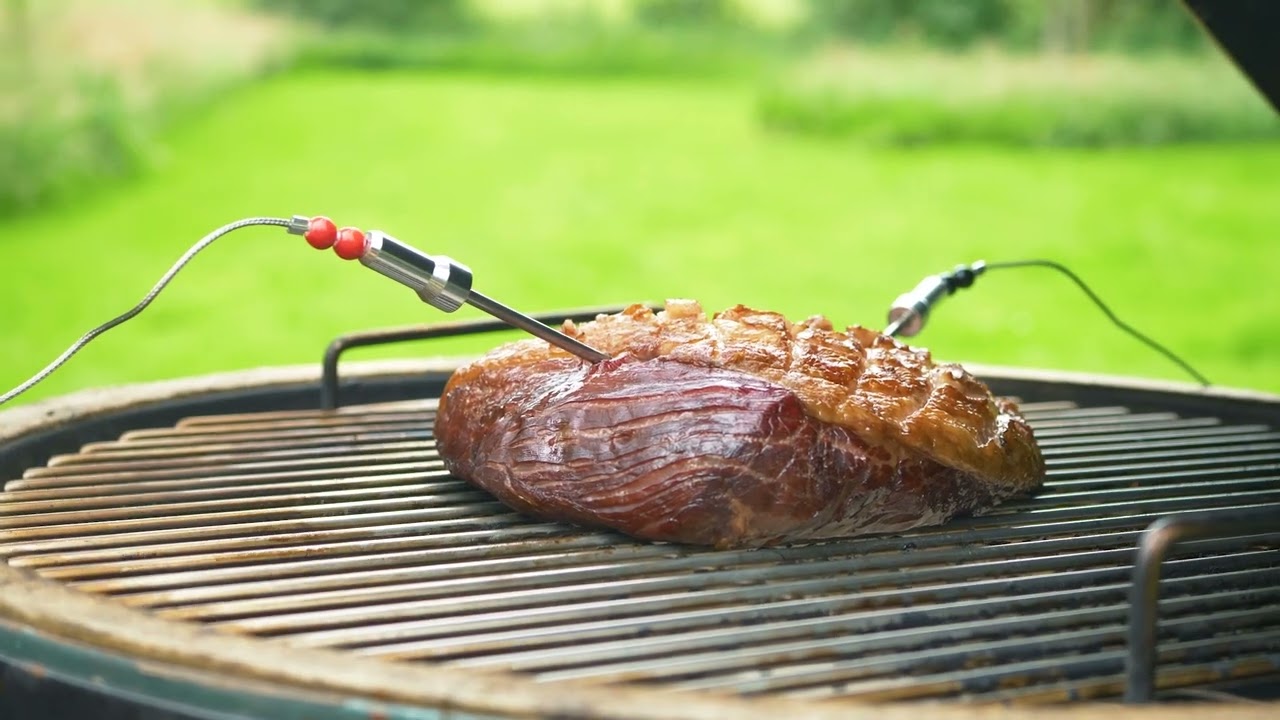
A leave-in meat thermometer is precisely what its name suggests: a device designed to remain inserted in your food throughout the entire cooking process. Unlike instant-read thermometers, which are used for quick spot-checks at the end of cooking, the leave-in model provides constant monitoring, allowing you to track temperature changes from start to finish. This continuous feedback is invaluable, especially for larger cuts of meat that require longer cooking times, ensuring they reach a safe internal temperature and your desired level of doneness without ever needing to open the oven door. It truly takes the guesswork out of cooking, transforming anxious waiting into confident anticipation.
Exploring the World of Leave-In Meat Thermometers: Types and Key Features
The market offers a variety of leave-in meat thermometers, each with distinct features to suit different cooking styles and preferences. Understanding these types will help you pick your perfect culinary partner.
Analog Dial Leave-In Thermometers
These traditional thermometers feature a metal probe connected to a large, easy-to-read dial display. They are often oven-safe and can be left in the meat as it cooks, providing a visual cue of the internal temperature.
- Pros: Simple to use, require no batteries, generally durable, and affordable. They are perfect for basic monitoring in an oven.
- Cons: Less precise than digital models. Readings can be slower to register and may be hard to see through a foggy or dirty oven door. They typically measure the internal meat temperature directly, but some basic oven thermometers designed for ambient oven temperature are sometimes confused with meat probes.
Wired Digital Probe Thermometers
These are perhaps the most common type of modern leave-in meat thermometer. They consist of a metal probe that gets inserted into the meat, connected by a heat-resistant wire to an external digital display unit that sits outside your oven or grill.
- Pros: Offer highly accurate and quick digital temperature readings. Many come with programmable alarms that alert you when your food reaches its target temperature, preventing overcooking. You can monitor the progress without opening the cooking appliance, preserving heat and consistent temperatures.
- Cons: The wire can be a minor inconvenience, needing to be threaded carefully through the oven or grill door.
Wireless and Smart Meat Thermometers
The latest innovation in leave-in meat thermometers, wireless models, eliminate the need for wires entirely. The probe itself contains a transmitter that sends temperature data via Bluetooth or Wi-Fi to a receiver, often an app on your smartphone or a separate base unit.
- Pros: Unparalleled convenience, allowing you to monitor your cooking from anywhere within range, whether you’re tending to guests or relaxing in another room. Many smart thermometers feature dual sensors, measuring both the meat’s internal temperature and the ambient temperature of your oven or grill. They often include sophisticated app features like estimated cook times, temperature graphs, and customizable alerts. Some probes are even dishwasher-safe for easy cleanup.
- Cons: Generally the most expensive option. Rely on battery life, which needs to be managed. Connectivity can sometimes be an issue over long distances or with interference.
Unlock Culinary Perfection: How to Use Your Leave-In Meat Thermometer Correctly
Using a leave-in meat thermometer isn’t complicated, but mastering a few key steps will ensure the most accurate readings and the best cooking results.
Step 1: Proper Probe Insertion
This is arguably the most crucial step. For accurate readings, insert the probe into the thickest part of the meat. This is typically the slowest part to cook and will give you the most reliable reading of its overall doneness. Crucially, avoid touching any bones, gristle, or large pockets of fat, as these can conduct heat differently and lead to inaccurate readings. For poultry, aim for the thickest part of the breast or the inner thigh, away from the bone. For roasts, insert it at least two inches deep into the center. For thinner cuts, like a thick steak or pork chop, you might insert it horizontally from the side.
Step 2: Setting Your Target Temperature
Before you start cooking, know your target temperature. The USDA provides comprehensive guidelines for safe internal cooking temperatures for different types of meat and poultry. For instance, poultry should reach 165°F (74°C), while ground beef is 160°F (71°C). For steaks and roasts, desired doneness ranges from rare (e.g., 120-125°F/49-52°C) to well-done (e.g., 160°F+/71°C+), so consult a reliable temperature chart or your recipe. Many digital thermometers come with pre-programmed USDA guidelines or allow you to set custom alarms.
Step 3: Continuous Monitoring
Once inserted, simply leave the probe in place as your food cooks. If you have an analog thermometer, you’ll need to periodically glance at the dial through your oven or grill door. For digital and smart thermometers, the external display or smartphone app will provide continuous, real-time temperature updates. Take full advantage of any alarm functions; these will alert you precisely when your meat reaches the desired temperature, signaling it’s time to remove it from the heat.
Step 4: The Crucial Resting Period
Here’s a pro tip that many home cooks overlook: meat continues to cook even after it’s removed from the heat source. This phenomenon is known as “carryover cooking”. Therefore, always remove your meat from the oven or grill when it is about 5 to 10 degrees Fahrenheit (2-5°C) below your target final temperature. Immediately after removal, loosely tent the meat with foil and let it rest for 5 to 15 minutes, depending on its size. During this rest, the internal temperature will continue to rise to your desired doneness, and the juices will redistribute, resulting in a more tender and flavorful product.
Expert Tips and Tricks for Using and Caring for Your Thermometer
To ensure your leave-in meat thermometer serves you well for years and provides consistent accuracy, here are some invaluable tips:
- Calibration Check: While many digital thermometers are factory-calibrated, it’s a good practice to periodically check their accuracy, especially for analog models. The ice-water bath method (a mixture of crushed ice and water should read 32°F/0°C) or boiling water method (212°F/100°C at sea level) can help you verify its precision.
- Cleaning and Storage: Always clean your probe thoroughly after each use to prevent cross-contamination. Most probes can be washed with hot, soapy water, or wiped with an antibacterial cloth. Be careful not to immerse the display unit of wired or wireless thermometers in water, as this can damage the electronics. Store your thermometer in a safe place where the probe won’t be bent or damaged.
- Using Multiple Probes: If your thermometer supports multiple probes, take advantage of this feature for large roasts or when cooking different cuts of meat simultaneously. You can monitor various sections of a turkey or different meats that have distinct target temperatures. Some models even allow one probe to monitor the ambient temperature of your grill or smoker, providing crucial environmental data for low-and-slow cooking.
- Don’t Fear the Digital: “Many cooks, especially those new to precision tools, are intimidated by digital thermometers,” says Chef Evelyn Reed, a renowned culinary instructor. “But once you experience the sheer accuracy and peace of mind they offer, you’ll wonder how you ever cooked without one. It’s an investment in consistently delicious, safely prepared food.”
Beyond Doneness: The Myriad Benefits of a Leave-In Meat Thermometer
The advantages of integrating a leave-in meat thermometer into your cooking routine extend far beyond simply knowing when your food is done.
Guaranteed Food Safety
This is perhaps the most critical benefit. Foodborne illnesses affect millions annually, and proper cooking temperatures are essential to kill harmful bacteria. A leave-in meat thermometer ensures your proteins reach the minimum safe internal temperature, providing peace of mind for you and your diners. No more worrying if the chicken is truly cooked through or if your burger is safe to eat.
Unmatched Precision and Consistency
Are you aiming for a perfect medium-rare steak or a fall-off-the-bone tender roast? A leave-in meat thermometer allows you to hit that precise doneness every single time. This level of control means repeatable, excellent results, transforming you into a more confident and skilled cook.
Ultimate Convenience and Hands-Free Cooking
The ability to continuously monitor temperature without opening the oven or grill is a game-changer. For long cooking sessions like smoking a brisket or slow-roasting a ham, a leave-in thermometer with an alarm lets you “set it and forget it,” freeing you up to focus on other dishes or enjoy time with family and friends.
Prevents Overcooking and Dryness
Opening your oven frequently to check temperatures not only extends cooking time but also causes heat fluctuations that can lead to uneven cooking and dry meat. By providing continuous, external monitoring, a leave-in thermometer keeps the heat where it belongs – surrounding your food – and ensures you pull it off the heat at the exact right moment, preserving moisture and flavor.
Choosing Your Perfect Cook Companion: What to Look for in a Leave-In Meat Thermometer
When selecting a leave-in meat thermometer, consider these features to find the best fit for your culinary adventures:
- Accuracy and Response Time: Look for models with high accuracy (ideally within 1-2°F or 1°C) and a reasonably fast response time (under 7 seconds for digital probes is good). Precision is key for perfect results.
- Temperature Range: A wide temperature range means greater versatility, allowing you to use it for everything from roasting meats to making candy.
- Probe and Cable Length: Ensure the probe is long enough for the thickest cuts you typically cook (e.g., 6 inches or more). For wired models, a sufficiently long, heat-resistant cable (e.g., 40-50 inches) is essential to position the display conveniently away from the heat.
- Display Readability and Features: A clear, large display is a must. Consider backlighting for low-light conditions, rotating displays for easy viewing from any angle, and intuitive controls. Alarms, timers, and pre-programmed settings are also highly beneficial.
- Connectivity (Wired vs. Wireless): Decide if the convenience of wireless remote monitoring outweighs the higher cost and battery dependency, or if a reliable wired connection suits your needs.
- Durability and Material: Opt for a thermometer made with high-quality, food-grade stainless steel for the probe, ensuring it withstands high temperatures and is easy to clean.
Frequently Asked Questions
How often should I check the temperature with an analog leave-in thermometer?
With an analog leave-in meat thermometer, you’ll need to check the dial periodically, perhaps every 15-30 minutes for larger cuts, as they don’t offer continuous digital updates or alarms. However, avoid opening the oven too frequently to maintain a consistent cooking temperature.
Can I use a leave-in meat thermometer for thin cuts of meat?
While primarily designed for larger cuts, some leave-in thermometers with very thin or short probes can be used for thicker steaks or pork chops by inserting the probe horizontally. For very thin cuts like chicken cutlets, an instant-read thermometer is usually more appropriate as it only requires a shallow insertion for a quick reading.
Are wireless leave-in thermometers safe to leave in the oven for a long time?
Yes, wireless leave-in meat thermometer probes are designed to be oven-safe and can remain in the meat for the entire cooking duration, including long roasts and smokes. They are built with heat-resistant materials, though you should always verify the manufacturer’s specific temperature ratings for the probe itself.
What’s the difference between food-safe temperature and desired doneness?
Food-safe temperature refers to the minimum internal temperature required to kill harmful bacteria and ensure the meat is safe for consumption (e.g., 165°F for poultry). Desired doneness, on the other hand, refers to the aesthetic and textural preference for cooked meat (e.g., medium-rare beef at 130-135°F), which may be below the maximum safe temperature if handled properly.
How do I clean my leave-in meat thermometer?
Always clean the probe immediately after use with hot, soapy water or an antibacterial wipe. Be cautious not to get the main display unit of wired or wireless thermometers wet, as this can damage the electronic components. Some wireless probes are fully submersible and even dishwasher-safe, but always check your specific model’s instructions.
The Perfect Cook Awaits
No more crossing your fingers and hoping for the best. A leave-in meat thermometer is an indispensable tool for any home cook looking to achieve culinary excellence with confidence and ease. By providing precise, continuous temperature monitoring, it empowers you to cook every meal to perfection, ensuring both deliciousness and food safety. So, embrace the power of precision cooking, choose the leave-in meat thermometer that suits your style, and transform your kitchen into a haven of consistently perfect meals. Your journey to becoming a “PerfectCook” starts now!