Ever wondered how top chefs achieve that perfect medium-rare steak or a succulent, juicy roast chicken every single time? The secret isn’t magic; it’s precision. And at the heart of that precision lies the humble yet indispensable Meat Cooking Thermometer. This ingenious kitchen tool is your ultimate partner in culinary excellence, ensuring your dishes are not only delicious but also perfectly safe to eat. Forget the guesswork and the anxiety of over or undercooked meals—a reliable meat cooking thermometer empowers you to cook with confidence and achieve flawless results, every single time.
The Culinary Companion: Why a Meat Cooking Thermometer is Essential
For centuries, cooks relied on touch, sight, and intuition to determine if meat was done. While these methods can be honed over years, they leave a lot to chance. The advent of the meat thermometer revolutionized home cooking and professional kitchens alike, transforming the art of cooking meat into a science.
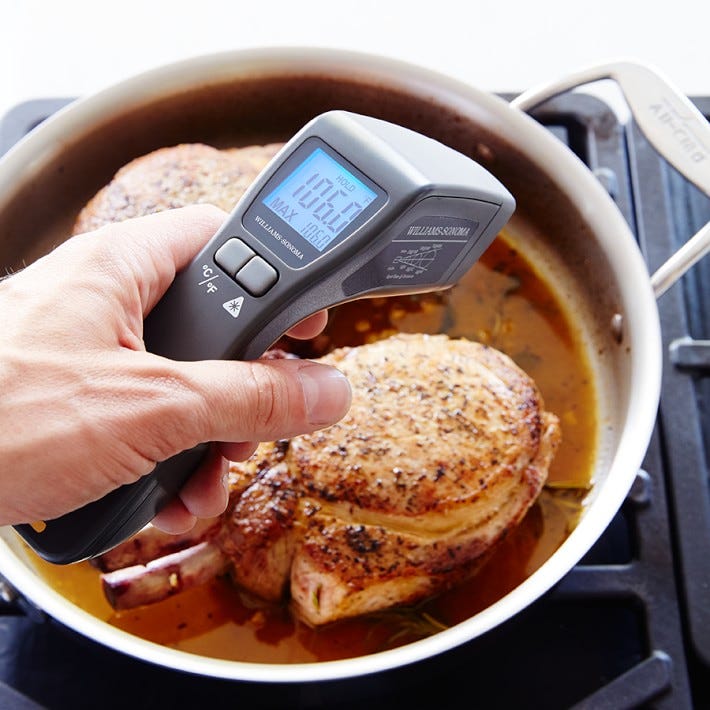
Using a meat cooking thermometer isn’t just about achieving a specific doneness, though that’s certainly a huge benefit. More critically, it’s about food safety. Harmful bacteria can lurk in undercooked meats, posing serious health risks. By accurately measuring the internal temperature, a meat cooking thermometer confirms that your food has reached the minimum safe temperature required to eliminate these pathogens. Beyond safety, it’s also your ticket to preserving juiciness and flavor. Overcooked meat becomes dry, tough, and frankly, disappointing. With a thermometer, you can pull your meat from the heat at precisely the right moment, locking in all those delicious juices and ensuring a tender, flavorful experience. It’s like having a culinary guardian angel ensuring every bite is spot-on.
Unpacking the Arsenal: Types and Key Features of Meat Cooking Thermometers
The world of meat cooking thermometers is diverse, with options designed for every cooking style and budget. Understanding the different types and their features will help you choose your perfect culinary sidekick.
Instant-Read Thermometers: Speed and Precision on Demand
These are perhaps the most common and versatile meat cooking thermometers. As their name suggests, they provide a quick temperature reading—often in just 1 to 5 seconds. They come in both digital and analog styles. Digital instant-read thermometers usually feature a clear LCD screen, sometimes backlit for easy reading in various lighting conditions. Analog versions have a dial with a needle.
Best for: Quick checks when grilling steaks, pan-searing chicken breasts, or testing the doneness of burgers. They are not designed to be left in the meat during the entire cooking process.
Leave-In Probe Thermometers: Set It and Forget It Convenience
If you’re roasting a whole chicken, a leg of lamb, or smoking a brisket for hours, a leave-in probe thermometer is your best friend. These meat cooking thermometers feature a heat-resistant probe that you insert into the meat before cooking, with a wire connecting it to an external display unit that stays outside your oven, grill, or smoker.
Features: Many models offer programmable alarms that alert you when your meat reaches a desired temperature, along with preset temperatures for various types of meat. This allows for continuous monitoring without constantly opening the oven door and losing heat.
Smart Wireless Meat Thermometers: The Future of Remote Cooking
For the tech-savvy cook, smart wireless meat cooking thermometers take convenience to the next level. These innovative devices use Bluetooth or Wi-Fi to connect to a smartphone app, allowing you to monitor your meat’s temperature from across the kitchen or even another room.
Benefits: They often feature multiple probes, customizable cooking programs, graphs of temperature progression, and notifications when your food is ready. Some even measure both internal meat temperature and ambient cooking temperature, providing comprehensive data for perfect results, especially for slow cooking or smoking.
Understanding the Tech: Bimetallic Coil, Thermocouple, Thermistor
While many home cooks focus on instant-read or leave-in functionality, the underlying technology impacts performance:
- Bimetallic Coil Thermometers: These feature a coil made of two different metals that expand when heated, indicating the temperature. They measure the average temperature along their sensing area and are generally slower than digital types.
- Thermocouple Thermometers: Known for their speed and accuracy, thermocouple meat cooking thermometers often provide near-instant digital readings and can withstand high temperatures, making them popular in commercial kitchens.
- Thermistor-style Thermometers: These use a temperature-sensitive resistor in the tip to measure temperature, typically providing a digital reading within about 10 seconds. Their thin probes are ideal for precise insertion.
Infrared Thermometers: When Not to Use for Internal Meat Temp
It’s worth mentioning infrared thermometers, which are great for measuring surface temperatures of grills, pans, or ovens. However, they do not measure the internal temperature of meat and are therefore not suitable for checking doneness or food safety in a meat cooking application. They have their place in the kitchen, but not for direct meat temperature reading.
Mastering the Art: How to Use Your Meat Cooking Thermometer Like a Pro
Using a meat cooking thermometer effectively is key to unlocking its full potential. It’s not just about sticking it in; it’s about strategic placement and understanding the nuances of temperature.
Step-by-Step Guide for Accurate Readings:
- Calibration Check (If Applicable): Before anything else, ensure your meat cooking thermometer is accurate. A simple way to check is using the ice water bath method. Fill a glass with crushed ice and water, insert the thermometer, and wait for the reading to stabilize. It should read 32°F (0°C). If it doesn’t, follow your thermometer’s instructions for calibration. This step guarantees you’re working with precise data.
- Proper Insertion Technique: This is perhaps the most crucial step. For larger cuts of meat, insert the probe into the thickest part of the meat, making sure to avoid bones, gristle, or large pockets of fat. These areas conduct heat differently and can give a misleading reading. For thinner cuts like burgers or chicken breasts, insert the thermometer horizontally from the side.
- Reading the Temperature:
- Instant-read: Insert, wait a few seconds for the reading to stabilize, then remove. For large roasts or whole poultry, take readings in a couple of different spots to ensure even cooking.
- Leave-in: Keep the probe inserted throughout the cooking process. The external display will show the temperature continuously, or alert you when a target is reached.
- Understanding Carryover Cooking and Resting: This is a game-changer! Meat continues to cook for a short period after it’s removed from the heat source. This phenomenon is called “carryover cooking,” and it can increase the internal temperature by 5-10°F (3-6°C). Always remove your meat a few degrees below your target final temperature. Then, let it rest, loosely tented with foil. Resting allows juices to redistribute, resulting in a more tender and flavorful product.
Common Mistakes to Avoid:
- Touching Bone, Fat, or Gristle: This will lead to inaccurate readings, potentially causing you to undercook or overcook the meat.
- Shallow Insertion: If the probe isn’t deep enough, it won’t measure the coolest part of the meat, where doneness is truly determined.
- Ignoring Resting Time: Pulling meat off the heat at its final target temperature without resting will result in overcooked, dry meat due to carryover cooking.
- Neglecting Calibration: An uncalibrated meat cooking thermometer is as good as no thermometer at all. Regular checks ensure continued accuracy.
- Over-relying on Pop-Up Timers: While convenient, those little plastic pop-up indicators in store-bought poultry aren’t always accurate. Always double-check with a reliable meat cooking thermometer.
Temperature Guide for Popular Meats:
Here’s a quick reference for safe minimum internal temperatures and common doneness levels. Remember, these are minimums for safety, and some variations exist for preference (e.g., steak doneness).
| Meat Type | Minimum Safe Internal Temperature | Doneness (Approx.) |
|---|---|---|
| Poultry (Whole/Ground) | 165°F (74°C) | Well-done |
| Ground Meats (Beef, Pork, Lamb) | 160°F (71°C) | Well-done |
| Beef, Pork, Veal, Lamb (Steaks, Roasts, Chops) | 145°F (63°C) (then rest 3 min) | Medium-Rare |
| 130-135°F (54-57°C) | Medium-Rare | |
| 140-145°F (60-63°C) | Medium | |
| 150-155°F (66-68°C) | Medium-Well | |
| 160°F+ (71°C+) | Well-done | |
| Fish | 145°F (63°C) | Flaky |
Note: Always allow for a 3-minute rest period for whole cuts of beef, pork, veal, and lamb after removing from heat.
Beyond the Basics: Tips for Using and Caring for Your Meat Cooking Thermometer
To ensure your meat cooking thermometer remains a reliable kitchen companion for years to come, a little care goes a long way.
Cleaning and Storage Tips
After each use, clean the probe thoroughly with hot, soapy water, or wipe with an alcohol swab, especially if it’s a non-washable unit. Avoid submerging the main unit of digital thermometers unless it’s specifically designed to be waterproof. Store your meat cooking thermometer in its protective sheath or a designated drawer to prevent damage to the probe. For wireless models, ensure the base unit is stored properly and batteries are charged or replaced as needed.
Troubleshooting Common Issues
If your thermometer gives inconsistent readings, first check its calibration. If it’s an instant-read, ensure you’re inserting it deep enough and avoiding bones or fat. For wired probes, check connections for any kinks or damage. Sometimes, a simple battery replacement can resolve issues with digital models. If problems persist, consult the manufacturer’s guide or consider replacing it.
Extending Lifespan and Maintaining Accuracy
Regular calibration checks are paramount for maintaining accuracy. Avoid extreme temperature changes, like plunging a hot probe into ice water too quickly, as this can shock some sensors. Handle with care, especially the thin probes of instant-read devices, to prevent bending or breaking. “A well-maintained meat cooking thermometer is an investment in consistently delicious and safe meals,” advises Chef Anya Petrova, culinary consultant for PerfectCook. “Treat it right, and it will serve you well for countless culinary adventures.”
The PerfectCook Advantage: Why Every Kitchen Needs a Meat Cooking Thermometer
At PerfectCook, we believe every home cook deserves the tools and knowledge to create restaurant-quality meals. A meat cooking thermometer is more than just a gadget; it’s a foundation for culinary success.
Elevating Your Cooking Skills
Using a thermometer helps you truly understand how different meats cook and react to heat. It teaches you to recognize proper doneness beyond visual cues, refining your intuition and making you a more confident and skilled chef. You’ll learn the subtle art of carryover cooking and resting, transforming good dishes into truly great ones.
Peace of Mind: Eliminating Foodborne Illness Risks
No one wants to serve or eat undercooked meat. The peace of mind that comes from knowing your food has reached a safe internal temperature is invaluable. A meat cooking thermometer is your first line of defense against foodborne illnesses, protecting your family and guests.
Consistent, Restaurant-Quality Results at Home
Imagine every steak cooked to your preferred doneness, every roast perfectly tender and juicy, every chicken dish moist and flavorful. This consistency is the hallmark of professional cooking, and it’s entirely achievable in your own kitchen with the right meat cooking thermometer.
Choosing Your Culinary Sidekick: Selecting the Right Meat Cooking Thermometer
With so many options, how do you pick the best meat cooking thermometer for you? Consider your primary cooking habits and priorities.
Factors to Consider:
- Accuracy and Response Time: This is non-negotiable. Look for thermometers with high accuracy ratings (e.g., ±1°F or less) and quick response times, especially for instant-read models.
- Temperature Range and Probe Length: Ensure the thermometer can handle the temperatures of your usual cooking methods. A longer probe is beneficial for large roasts.
- Display Readability and Smart Features: Digital displays are often easier to read, especially with backlighting or auto-rotating screens. If you cook large cuts or barbecue often, smart features like Bluetooth connectivity and app control can be a huge time-saver.
- Durability and Ease of Cleaning: Look for sturdy construction, especially if you cook outdoors frequently. Detachable, waterproof probes make cleaning much easier.
- Budget Considerations: Meat cooking thermometers range from affordable basic models to high-end professional tools. Determine what features are most important to you and find the best balance within your budget.
Matching the Thermometer to Your Cooking Style
- For the everyday cook who needs quick checks: An accurate, digital instant-read meat cooking thermometer is perfect.
- For the avid roaster or smoker: A leave-in probe thermometer with an alarm or a smart wireless model will offer continuous monitoring and peace of mind.
- For the grilling enthusiast: A rugged, fast-reading instant-read or a wireless probe designed for high heat will be invaluable.
Frequently Asked Questions About Meat Cooking Thermometers
Q: How do I calibrate my meat cooking thermometer?
A: The most common method is the ice water bath. Fill a glass with crushed ice and water, insert the probe, and ensure it reads 32°F (0°C). Adjust according to manufacturer instructions if it’s off.
Q: Can I leave my meat cooking thermometer in the oven the whole time?
A: Only if it’s explicitly labeled as an “oven-safe” or “leave-in” probe thermometer. Instant-read thermometers are not designed to withstand prolonged high oven temperatures.
Q: What’s the difference between an instant-read and a leave-in thermometer?
A: An instant-read thermometer provides quick readings and is removed after checking, while a leave-in thermometer stays in the meat during the entire cooking process for continuous monitoring.
Q: Why is resting meat important after cooking?
A: Resting allows for “carryover cooking,” where the internal temperature continues to rise slightly, and more importantly, it gives the juices time to redistribute throughout the meat, resulting in a more tender and moist product.
Q: What is the safe internal temperature for chicken?
A: All poultry, including chicken breasts, thighs, or a whole bird, should reach a minimum internal temperature of 165°F (74°C) to be safe for consumption.
Q: Can a meat cooking thermometer be used for other foods?
A: Absolutely! Many meat cooking thermometers are versatile enough to check the temperature of casseroles, bread, even deep-fried foods or candy (though specialized candy thermometers are often preferred for very high temperatures).
Q: How often should I replace my meat cooking thermometer?
A: With proper care and regular calibration checks, a high-quality meat cooking thermometer can last for many years. However, if it consistently gives inaccurate readings, shows signs of damage, or cannot be calibrated, it’s time for a replacement.
Master Your Meats with PerfectCook
Embracing the use of a meat cooking thermometer is one of the easiest yet most impactful ways to elevate your home cooking. It’s an indispensable tool that guarantees food safety, eliminates guesswork, and consistently delivers perfectly cooked, juicy, and flavorful results. From weeknight dinners to special occasion roasts, the precision offered by a quality meat cooking thermometer will transform your culinary journey.
So, whether you’re searing a steak, roasting a turkey, or grilling burgers, make sure your trusty meat cooking thermometer is by your side. You’ll not only cook with greater confidence but also create dishes that impress and delight every time. Happy cooking from PerfectCook!