Imagine a world where every roast is perfectly tender, every steak flawlessly seared, and every piece of poultry cooked to juicy perfection. No more guessing, no more anxious cuts to check doneness, and certainly no more dry, overcooked disasters. This isn’t a culinary fantasy; it’s the reality a Professional Meat Thermometer brings to your kitchen. For home cooks and seasoned chefs alike, this indispensable tool transforms cooking from an art of intuition into a science of precision, guaranteeing not only delicious results but also crucial food safety.
The Evolution and Undeniable Importance of the Meat Thermometer
The concept of measuring food temperature isn’t new, but modern advancements have elevated the humble thermometer into a sophisticated culinary instrument. From basic analog dials that offered a general idea of doneness, we now have high-tech digital devices providing rapid, pinpoint accuracy. This evolution is crucial because a meat thermometer serves two critical purposes: ensuring food safety and achieving culinary excellence.
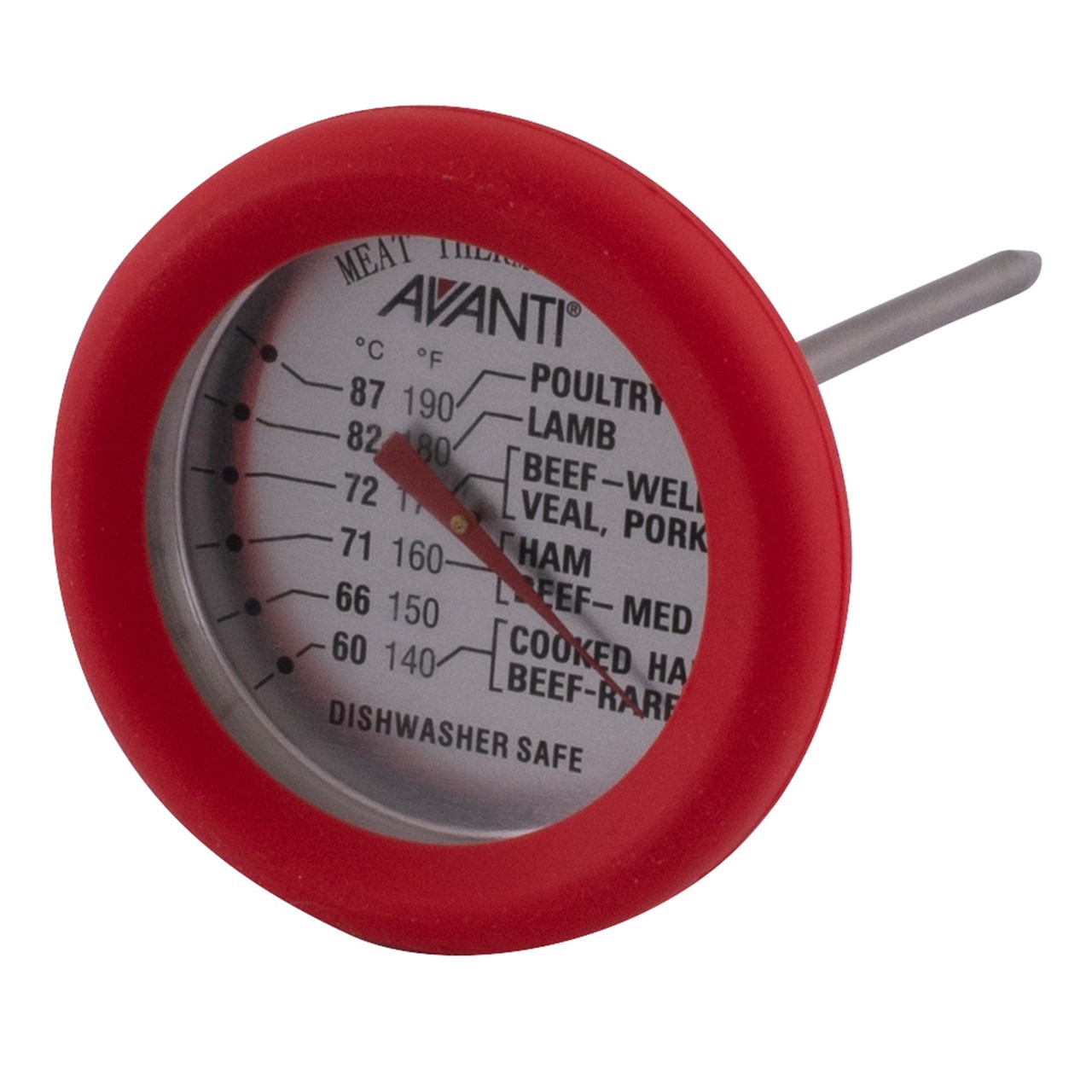
First and foremost, it’s about safety. Undercooked meat can harbor harmful bacteria like Salmonella or E. coli, leading to foodborne illnesses. Relying on color or texture alone is a gamble, as the USDA explicitly states these aren’t reliable indicators of doneness. A professional meat thermometer takes the guesswork out, confirming that your proteins reach the safe minimum internal temperatures necessary to eliminate these threats.
Beyond safety, there’s the pursuit of perfection. Every chef knows the agony of an overcooked roast or a dry chicken breast. A thermometer empowers you to hit that sweet spot of doneness—whether it’s a rare steak, a medium-rare lamb chop, or perfectly done pork. It ensures your dishes retain their natural juices and tenderness, delivering a consistently delightful eating experience.
Diving Deep: Types and Key Features of Professional Meat Thermometers
The world of meat thermometers is diverse, with various types designed for specific cooking needs. Understanding their features is key to choosing the right professional meat thermometer for your culinary adventures.
Instant-Read Thermometers
These are the speed demons of the thermometer world, designed for quick, on-the-spot temperature checks.
- Speed and Accuracy: A good instant-read thermometer provides a reading in just 1-3 seconds, allowing you to check multiple spots quickly. This rapid feedback is invaluable for grilled items, pan-seared meats, or thinner cuts.
- Design: Often featuring a foldable probe for safety and easy storage, these typically have large, backlit digital displays for clear readability in any lighting condition. Their probes are usually slim, minimizing the impact on the meat.
- Versatility: While excellent for meat, they’re also handy for checking the temperature of frying oil, tempering chocolate, or testing baked goods.
Chef Anya Sharma, a culinary instructor with two decades of experience, notes, “An instant-read thermometer is your quick-draw tool for confidence in every flip and sear. It’s about precision in seconds.”
Leave-In Probe Thermometers
For longer cooking processes, such as roasting, smoking, or slow-cooking, a leave-in probe thermometer is your best friend.
- Continuous Monitoring: These thermometers feature a heat-resistant probe that remains in the meat throughout the cooking process. The probe connects via a durable, insulated wire to an external unit, allowing you to monitor the temperature without opening the oven or smoker.
- Alarm Functions: Most come with customizable high and low-temperature alarms, alerting you when your food reaches its target doneness or if the cooking environment deviates.
- Wired vs. Wireless:
- Wired Probes: Reliable and generally less expensive, these are a staple in many kitchens.
- Wireless Probes (Bluetooth/Wi-Fi): The ultimate in convenience, these allow you to monitor your cook remotely from your smartphone via an app. Many models support multiple probes, letting you track different cuts or ambient temperatures simultaneously.
For long cooks, mastering a wired probe system is like having a second pair of eyes on your oven, ensuring consistent perfection,” advises renowned BBQ pitmaster, Marcus ‘Smokey’ Davis.
Smart Wireless Thermometers
Representing the cutting edge, smart wireless thermometers like the MEATER Pro take convenience to a new level.
- Truly Wire-Free: These probes are completely self-contained and communicate wirelessly with an app on your smartphone or a dedicated display unit.
- Advanced Sensors: Often equipped with multiple internal sensors to detect the coldest point of the meat and an additional ambient sensor to monitor the cooking environment.
- Guided Cooking: Their intuitive apps can provide guided cooks, estimate remaining cooking times, and even suggest resting periods, making complex cooking simple.
- Ideal For: Grilling, smoking, rotisserie, and oven cooking where wires would be inconvenient.
While not designed for internal meat temperature, infrared thermometers are useful for quickly checking the surface temperature of pans, griddles, or grill grates before adding food.
Mastering Your Craft: How to Use a Professional Meat Thermometer Correctly
Owning a professional meat thermometer is one thing; using it correctly is another. Proper technique is paramount for accurate readings and optimal results.
Placement is Key
The most critical factor in getting an accurate reading is where you insert the probe.
- Thickest Part: Always aim for the thickest part of the meat, ensuring the probe tip is in the center, away from bones, fat, or gristle. Bones can conduct heat faster, giving a falsely high reading, while fat may not accurately reflect the muscle tissue’s temperature.
- Thin Cuts: For items like burgers, chicken breasts, or thin steaks, insert the thermometer horizontally from the side to reach the true center. This prevents the probe from going straight through or sitting too close to the surface.
- Whole Poultry: When cooking a whole chicken or turkey, insert the probe into the thickest part of the thigh, avoiding the bone, or into the thickest part of the breast.
Getting an Accurate Reading
- Stabilization: For instant-read thermometers, insert the probe and wait a few seconds for the temperature to stabilize. Leave-in probes provide continuous updates.
- Understanding Carry-Over Cooking: Meat continues to cook for a period after being removed from the heat source. This “carry-over cooking” can increase the internal temperature by several degrees. Factor this in by removing meat slightly before its target temperature. For example, if you’re aiming for 165°F for chicken, you might pull it at 160-162°F.
- Calibration: Periodically test your thermometer’s accuracy. A simple ice-water bath test (should read 32°F or 0°C) is a reliable method to ensure it’s performing correctly.
Elevate Your Culinary Game: Tips for Using and Caring for Your Professional Meat Thermometer
To get the most out of your professional meat thermometer and ensure its longevity, here are some expert tips:
- Know Your Target Temperatures: Keep a chart of USDA safe minimum internal temperatures handy for different types of meat (e.g., poultry 165°F, ground beef 160°F, beef/pork/lamb roasts and steaks 145°F with a 3-minute rest).
- Utilize Alarms: For leave-in probes, set your alarms a few degrees below your target temperature to account for carry-over cooking and give you time to react.
- Cleanliness is Crucial: Always clean your thermometer probe thoroughly between uses to prevent cross-contamination. Use hot soapy water or an antibacterial wipe. Ensure the main unit (especially for digital models) doesn’t get wet unless it’s explicitly rated as waterproof.
- Proper Storage: Store your thermometer in a clean, dry place. Foldable probes should be retracted, and wires neatly coiled. This protects the sensitive components and keeps it ready for the next use.
- Battery Management: For digital and wireless models, keep an eye on battery life. Many smart thermometers offer rechargeable options or long-lasting batteries, but a dead battery can ruin a perfect cook.
The Undeniable Benefits of a Professional Meat Thermometer in Your Kitchen
Incorporating a professional meat thermometer into your cooking arsenal offers a wealth of benefits that elevate your culinary experience:
- Uncompromised Food Safety: This is the paramount benefit. Knowing your food has reached safe temperatures provides peace of mind for you and your diners.
- Consistent Perfection: Say goodbye to dry, tough meat. With precise temperature control, you can consistently achieve the ideal doneness and tenderness every single time, reproducing your favorite recipes flawlessly.
- Enhanced Flavor and Texture: Properly cooked meat retains its natural juices and develops superior flavor and texture. An under or overcooked piece simply won’t measure up.
- Eliminates Guesswork: No more poking, prodding, or cutting into your beautifully seared steak to check if it’s done. The thermometer gives you a definitive answer, preserving the integrity and presentation of your dish.
- Versatility Beyond Meat: While called a “meat thermometer,” its utility extends to many other kitchen tasks, from making candy and tempering chocolate to testing the doneness of bread or the temperature of deep-frying oil.
- Confidence in Cooking: For both novice and experienced cooks, a reliable thermometer instills confidence, allowing you to experiment with new cuts and techniques without fear of failure.
Choosing Your Culinary Companion: Selecting the Right Professional Meat Thermometer
With so many options, how do you pick the best professional meat thermometer for your needs?
- Consider Your Cooking Style:
- Grilling/Smoking: Look for wireless leave-in probes with excellent range and durability.
- Roasting/Baking: Wired or wireless leave-in probes with alarm functions are ideal.
- Pan-Searing/Quick Checks: A fast, accurate instant-read thermometer is essential.
- Sous Vide: Ensure the probe is waterproof and compatible with immersion.
- Key Features to Prioritize:
- Speed and Accuracy: Non-negotiable for professional results. Look for response times under 5 seconds and high accuracy ratings (e.g., ±0.5°F).
- Display Readability: A large, backlit, rotating display is a huge plus.
- Probe Length and Durability: Long, thin, robust probes are versatile and long-lasting.
- Wireless Range and App Features: For smart thermometers, a stable connection and an intuitive app with useful features are key.
- Magnetic Back/Storage: Convenient for keeping your thermometer accessible.
- Budget as an Investment: While some professional models have a higher price tag, consider it an investment in consistent quality and reduced food waste. Durable, accurate tools last longer and perform better, paying for themselves over time.
Frequently Asked Questions
What is the difference between an instant-read and a leave-in meat thermometer?
An instant-read thermometer is used for quick spot checks, providing a temperature reading in seconds, usually removed after each check. A leave-in thermometer remains in the meat throughout the cooking process, continuously monitoring the temperature, typically with an external display and alarm functions.
How accurate do professional meat thermometers need to be?
A professional meat thermometer should ideally have an accuracy of ±1°F (±0.5°C) or better. Precision is crucial for food safety and achieving specific doneness levels, especially for delicate cuts.
Can I leave a professional meat thermometer in the oven or on the grill?
Only leave-in probe thermometers are designed to remain in the oven or grill during cooking, as their probes and wires are heat-resistant. Instant-read thermometers should never be left in a hot oven or grill, as they can be damaged.
How do I clean my professional meat thermometer properly?
After each use, clean the probe with hot soapy water and sanitize it with an antibacterial wipe. Ensure the main unit of digital thermometers does not get wet unless it is explicitly waterproof, as this can damage the electronics.
What are some common mistakes to avoid when using a meat thermometer?
Common mistakes include inserting the probe into bone or fat (which leads to inaccurate readings), not waiting for the temperature to stabilize, failing to account for carry-over cooking, and not cleaning the probe between uses.
Are wireless meat thermometers reliable for professional use?
Modern wireless meat thermometers, especially those designed for professional use, are highly reliable. They offer excellent accuracy, strong connectivity (Bluetooth or Wi-Fi), and advanced app features that allow for remote monitoring and precise control over complex cooks.
What internal temperatures are safe for different types of meat?
According to the USDA, safe minimum internal temperatures include:
- Poultry (whole, ground, or parts): 165°F (74°C)
- Ground Meat (beef, pork, lamb, veal): 160°F (71°C)
- Beef, Pork, Veal, Lamb (steaks, chops, roasts): 145°F (63°C) with a 3-minute rest
- Fish: 145°F (63°C)
Conclusion
A professional meat thermometer is more than just a kitchen gadget; it’s an investment in confidence, safety, and culinary mastery. It empowers you to eliminate guesswork, prevent foodborne illnesses, and consistently deliver dishes with perfect flavor and texture. By understanding the types available, mastering correct usage, and committing to proper care, you unlock a world of precision cooking. So, take the leap, choose the right professional meat thermometer for your kitchen, and embark on a journey where every meal you prepare is a testament to perfect cookery. With PerfectCook, your path to culinary excellence is clear.