Imagine hosting a lively backyard barbecue, oven-roasting a holiday turkey, or slow-smoking a brisket, all while confidently mingling with guests or relaxing without constantly hovering over your cooker. This isn’t a chef’s fantasy; it’s the everyday reality enabled by the ingenious Remote Meat Thermometer. This isn’t just another kitchen gadget; it’s a game-changer, revolutionizing how we achieve perfectly cooked, safe, and delicious meals every single time. It takes the guesswork out of grilling, roasting, and smoking, giving you the freedom to step away while ensuring your food reaches ideal doneness with unparalleled precision.
The Evolution of Precision: Why Every Cook Needs a Meat Thermometer
The concept of measuring food temperature isn’t new. For centuries, cooks relied on touch, sight, and experience—often with mixed results. Early thermometers were basic, cumbersome, and required constant vigilance. But the advent of digital technology, and particularly the remote meat thermometer, has ushered in an era of culinary precision that was once reserved for professional kitchens.
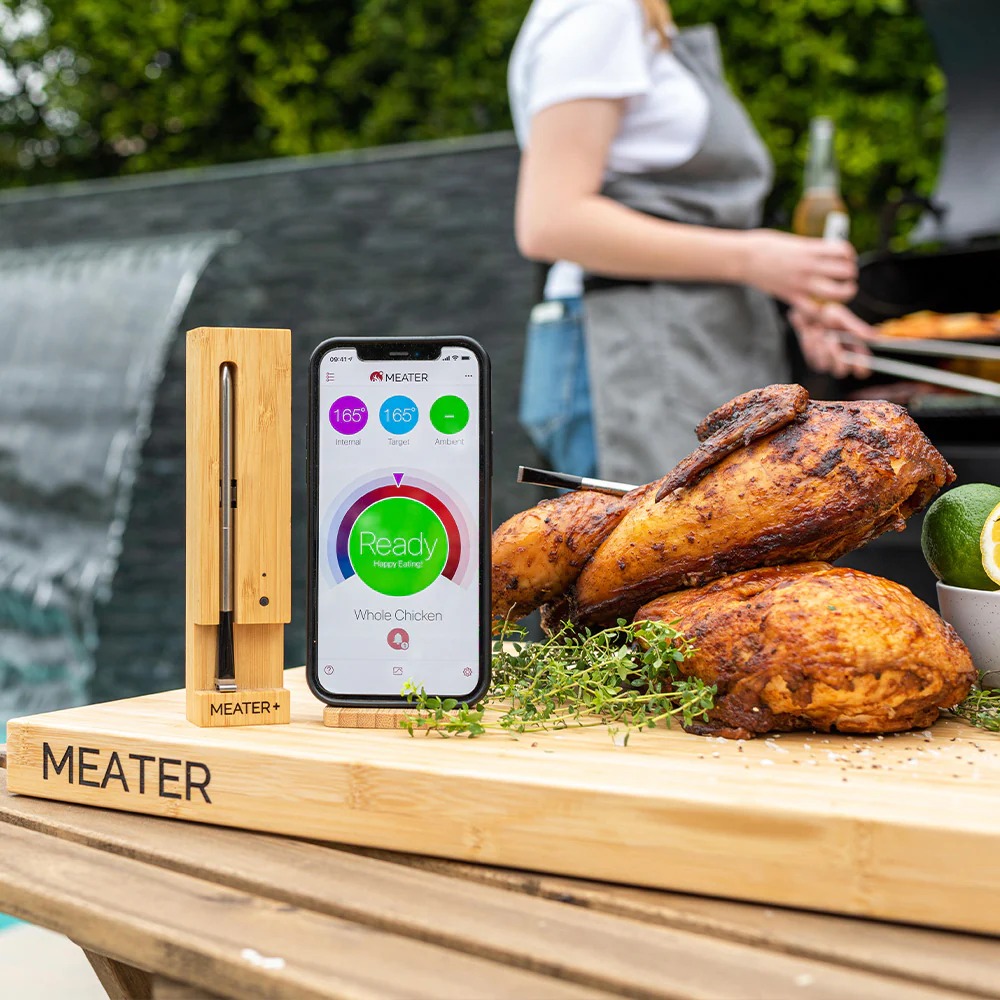
Why does temperature matter so much? Firstly, it’s about food safety. The U.S. Department of Agriculture (USDA) provides specific minimum internal temperatures for various meats to eliminate harmful bacteria and prevent foodborne illnesses. Undercooking is a health risk. Secondly, and equally important for any passionate cook, it’s about achieving culinary perfection. Overcooked meat becomes dry, tough, and flavorless. A juicy steak, a tender roast, or a perfectly flaky fish fillet all depend on hitting that sweet spot of doneness. Relying on cooking time alone is a gamble, as factors like meat thickness, starting temperature, and even ambient humidity can drastically alter cooking rates. Internal temperature, accurately measured by a reliable remote meat thermometer, is the only true indicator of when your dish is ready.
Understanding Your Remote Culinary Assistant: Types and Key Features
At its core, a remote meat thermometer is a system designed to measure the internal temperature of your food from a distance. It typically consists of a heat-resistant probe inserted into the meat, a transmitter that sends the temperature data, and a receiver (either a dedicated unit or a smartphone app) that displays the readings. The magic lies in the “remote” aspect, allowing you to monitor your cook without being tied to the stove or grill.
But not all remote thermometers are created equal. They generally fall into three main categories based on their connectivity:
Bluetooth Meat Thermometers
Bluetooth models connect directly to your smartphone or tablet via a Bluetooth signal. They are often the most affordable entry point into the world of wireless cooking.
- Pros: Generally easy to set up and pair, highly portable, and work well for backyard barbecues or when cooking indoors where you’re relatively close to the kitchen. Many come with user-friendly apps.
- Cons: Limited range, typically 100-600 feet, which can be significantly reduced by walls, trees, or other obstructions. Signal drops can be a common frustration if you stray too far.
Wi-Fi Meat Thermometers
Taking convenience up a notch, Wi-Fi thermometers connect to your home’s Wi-Fi network. This allows for a much greater range, as you can monitor your cook from anywhere you have internet access, even if you leave the house.
- Pros: Excellent long-range monitoring, ideal for slow-smoking sessions that last hours or even all day. Often include advanced app features like cloud-based tracking, cooking history, and more robust data logging.
- Cons: Can be more complex to set up initially, requiring a stable Wi-Fi connection. Performance is dependent on your home network strength.
Radio-Frequency (RF) Meat Thermometers
Traditional RF thermometers use a dedicated radio frequency signal between a base unit and a handheld receiver. They don’t rely on Bluetooth or Wi-Fi.
- Pros: Known for their robust and very long-range capabilities, sometimes up to 2,000 feet, making them incredibly reliable in large yards or when physical obstructions are an issue. They operate independently of your home network.
- Cons: May lack the advanced smartphone app integration and data analysis features found in Bluetooth or Wi-Fi models, often relying on a simpler, dedicated receiver screen.
Essential Features to Look For
Regardless of the type, certain features elevate a good remote meat thermometer to a great one:
- Accuracy and Response Time: A high-quality thermometer should provide readings within ±1-2°F, and ideally, display those readings quickly. Precision is paramount for perfect results.
- Probe Design and Durability: Look for probes made from high-grade stainless steel that are thin enough to minimize juice loss, yet robust enough to withstand high heat. Many probes feature multiple sensors—one for the internal meat temperature and another for the ambient temperature of your oven or grill. Waterproofing (often indicated by an IP rating) is also a significant plus for cleaning and longevity.
- Connectivity and Range: Consider your typical cooking environment. Do you need to monitor from a short distance or across a large yard? Ensure the chosen technology (Bluetooth, Wi-Fi, RF) matches your needs.
- Smart App Functionality: A well-designed app can make all the difference. Look for features like pre-set temperatures for different meats and doneness levels, customizable alarms, estimated cooking times, guided cook systems, and the ability to track cooking progress over time.
- Battery Life: Long-lasting rechargeable batteries are a huge convenience, especially for extended cooks.
- Display and Readability: If your thermometer includes a dedicated receiver, a large, backlit display ensures easy reading, even in low light conditions.
- Multiple Probes: For cooking large cuts or multiple items simultaneously, a model with two or more probes is incredibly useful, allowing you to monitor different parts of the meat or even the ambient temperature of your cooking environment.
As Chef Alex Chen, a seasoned culinary expert, often says, “A great remote meat thermometer isn’t just about reading numbers; it’s about empowering you to truly understand and control your cooking, transforming guesswork into mastery.”
Mastering the Art: How to Use Your Remote Meat Thermometer Correctly
Using a remote meat thermometer is straightforward, but correct technique ensures the best results.
Initial Setup and Pairing
Before your first cook, ensure your device is fully charged. Most modern remote thermometers come with a companion app for your smartphone. Download it, then follow the instructions to pair your device via Bluetooth or connect it to your Wi-Fi network. This usually involves a few simple steps within the app to detect and link your thermometer.
Precise Probe Placement: The Secret to Perfect Doneness
This is perhaps the most critical step. Incorrect probe placement can lead to inaccurate readings and, consequently, under or overcooked food.
- For large cuts of meat (roasts, briskets, whole chickens/turkeys): Insert the probe into the thickest part of the meat, ensuring the tip avoids any bones, large pockets of fat, or gristle, as these can skew temperature readings. For whole poultry, aim for the thickest part of the breast or the innermost portion of the thigh, again, without touching bone.
- For thinner cuts (steaks, pork chops, chicken breasts): Insert the probe horizontally from the side, pushing it into the very center of the thickest part. The probe should be inserted deep enough so the internal sensor is fully enveloped by the meat.
Setting Your Culinary Goals
Once the probe is correctly inserted, use the app or receiver to select your desired meat type and doneness level. Many apps offer pre-set temperatures based on USDA guidelines or chef recommendations. You can also manually set a target temperature if you have a specific preference.
Monitoring and Alerts
Now, the freedom begins! Place your meat in the oven, grill, or smoker, and carry your receiver or smartphone with you. The remote meat thermometer will provide real-time updates on the internal temperature. Set custom alerts to notify you when your meat is approaching or has reached your target temperature. This allows you to multitask, prepare side dishes, or simply relax without worry.
The Importance of Resting Meat
When your thermometer signals that the meat has reached its target temperature, resist the urge to slice it immediately. Remember “carryover cooking”—the internal temperature of meat continues to rise slightly after it’s removed from the heat. For most cuts, removing the meat a few degrees before its final target temperature and allowing it to rest for 10-20 minutes (depending on size) will ensure it finishes perfectly, resulting in maximum juiciness and tenderness. Carefully remove the probes (they will be hot!) before carving.
Tips for Optimal Use and Longevity
To get the most out of your remote meat thermometer and ensure it lasts for years of delicious meals:
- Calibration: While many high-quality remote thermometers come pre-calibrated, it’s good practice to check their accuracy periodically. Consult your user manual for specific calibration instructions, often involving an ice bath or boiling water test.
- Maintenance and Cleaning: Always clean your probes immediately after use with warm, soapy water. Avoid submerging the entire probe in water unless it’s explicitly rated for full submersion. Ensure the probes are completely dry before storing them to prevent corrosion.
- Troubleshooting Common Issues: If you experience signal loss, try moving closer to the transmitter or clearing any large obstructions (like metal walls or dense foliage). If readings seem inaccurate, re-check probe placement and ensure the probe is fully connected to the transmitter. Keep batteries fresh or fully charged.
The Transformative Benefits of a Remote Meat Thermometer
Embracing a remote meat thermometer fundamentally changes your cooking experience:
- Unparalleled Convenience and Freedom: No more constant trips to the oven or grill. Monitor your cook from the comfort of your living room, while tending to guests, or even running a quick errand.
- Guaranteed Food Safety: By consistently hitting USDA-recommended temperatures, you eliminate the risk of serving undercooked meat, ensuring peace of mind for you and your diners.
- Achieving Consistent, Flavorful Results: Say goodbye to dry chicken and overcooked roasts. With precise temperature control, you’ll consistently produce tender, juicy, and perfectly cooked meals that impress every time.
- Reducing Cooking Stress: The guesswork is gone. Knowing exactly what’s happening inside your food reduces anxiety, making cooking a more enjoyable and relaxing experience.
- Versatility Across All Cooking Methods: Whether you’re grilling, smoking, oven-roasting, pan-searing, deep-frying, or even using an air fryer, a remote meat thermometer is your reliable partner for a wide array of culinary adventures.
Choosing Your Perfect Remote Companion
Selecting the right remote meat thermometer for your kitchen means considering your personal cooking style, preferred methods, and budget. If you primarily grill in your backyard and stay relatively close to the action, a Bluetooth model might be perfect. For passionate smokers or those who want to monitor long cooks from anywhere, a Wi-Fi or high-range RF thermometer offers unmatched freedom. Consider the number of probes you need, the durability required for your cooking intensity, and the sophistication of the app features that will genuinely enhance your experience.
Frequently Asked Questions (FAQ)
Q1: Are remote meat thermometers accurate?
A1: Yes, most high-quality remote meat thermometers are very accurate, typically within ±1-2°F. Brands like PerfectCook prioritize precision to ensure your food is cooked perfectly and safely every time.
Q2: Can I use a remote meat thermometer in an oven or smoker?
A2: Absolutely! Remote meat thermometers are designed for versatility and work exceptionally well in ovens, smokers, grills, and even air fryers. The probes are built to withstand high temperatures.
Q3: How do I clean my remote meat thermometer probe?
A3: After each use, carefully clean the probe with warm, soapy water. Avoid scrubbing the electronic components on the probe’s handle. Ensure it is thoroughly dried before storage to prevent damage.
Q4: What’s the difference between Bluetooth and Wi-Fi remote thermometers?
A4: Bluetooth thermometers connect directly to your phone over a shorter range (typically 100-600 feet) and are great for close-range monitoring. Wi-Fi thermometers connect to your home network, offering a much longer range (anywhere with internet access) and often more advanced app features, ideal for long cooks.
Q5: How far can I go from my remote meat thermometer?
A5: The range varies significantly by type. Bluetooth models offer a few hundred feet, while Wi-Fi models can provide essentially unlimited range (as long as you have internet access). Radio-Frequency (RF) models can extend up to 2,000 feet.
Q6: Do I need to calibrate my remote meat thermometer?
A6: While many modern remote thermometers come pre-calibrated, it’s good practice to check their accuracy periodically using a simple ice bath or boiling water test. Refer to your thermometer’s manual for specific calibration instructions if needed.
Conclusion
The remote meat thermometer is more than just a tool; it’s an investment in culinary confidence and consistent deliciousness. It frees you from the constant vigil of cooking, ensuring that every dish, from a weeknight chicken dinner to a holiday feast, is cooked to perfection and safe to enjoy. By embracing this innovative technology, you unlock a new level of cooking mastery, transforming every meal into a “PerfectCook” experience. So go ahead, choose your ideal remote companion, and elevate your culinary game today!