Are you tired of overcooked, dry chicken or undercooked, questionable pork? Achieving culinary perfection, where every bite is juicy, tender, and perfectly safe to eat, often feels like a guessing game. But what if there was one simple tool that could eliminate all that uncertainty? Enter the humble yet mighty meat thermometer. Investing in a Top Meat Thermometer isn’t just about cooking; it’s about elevating your entire culinary experience, ensuring both delicious results and food safety.
The Indispensable Role of a Meat Thermometer in Every Kitchen
For centuries, cooks relied on touch, sight, and intuition to gauge doneness. While these methods have their place, they’re inherently imprecise and can lead to inconsistent results, or worse, foodborne illness. The meat thermometer revolutionized home cooking by providing an objective measure of internal temperature. From basic analog models to today’s sophisticated digital and wireless devices, this tool has become a non-negotiable for anyone serious about quality cooking. Its importance lies in guaranteeing that meats reach the scientifically proven safe internal temperatures, protecting your family, and simultaneously preventing the tragedy of an overcooked, dry meal.
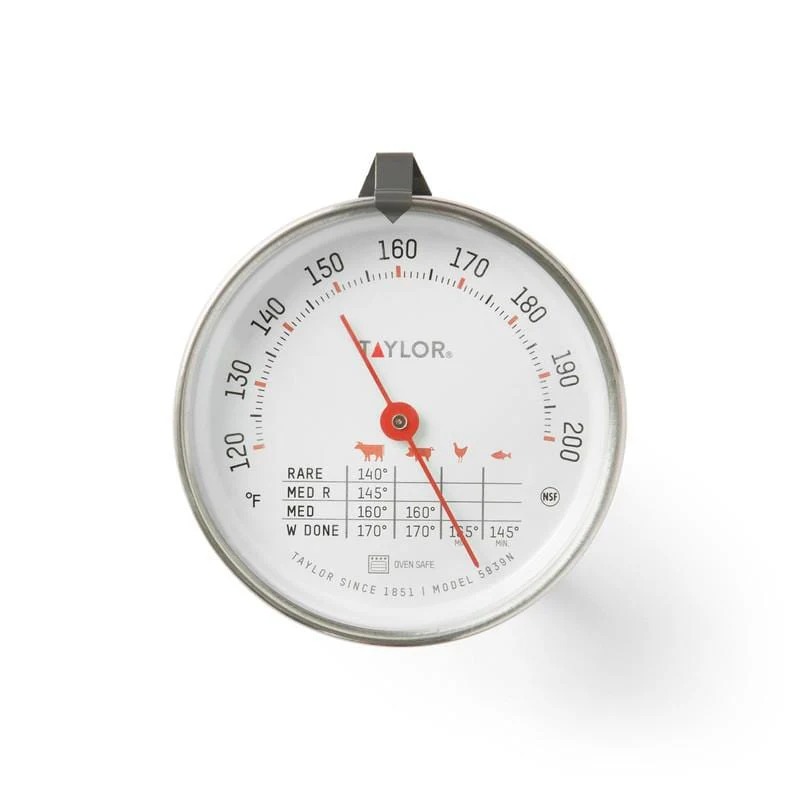
Navigating the World of Meat Thermometers: Types and Key Features
The market is flooded with various types of meat thermometers, each designed for specific cooking styles and preferences. Understanding their differences is key to selecting the right tool for your kitchen.
Instant-Read Thermometers: Speed and Precision on Demand
What are they? These are handheld digital thermometers with a sharp probe that you insert into food for a quick temperature reading, typically in 1 to 3 seconds.
Why use them? Instant-read thermometers are perfect for spot-checking temperatures in various foods like steaks, burgers, roasts as they come off the heat, or even bread and candy. Their speed and accuracy make them incredibly versatile for many cooking tasks. The ThermoWorks Thermapen One is consistently lauded as a top pick for its lightning-fast one-second readings and accuracy. Another great option for quick, reliable readings is the ThermoWorks ThermoPop 2, known for its rapid response and user-friendly design.
Leave-In Probe Thermometers: Set It and Forget It
What are they? These thermometers feature a heat-resistant probe connected by a wire to an external display unit. You insert the probe into the meat before cooking and leave it in throughout the process, monitoring the temperature without opening your oven or grill.
Why use them? Ideal for longer cooking methods like roasting, smoking, or slow-cooking, leave-in probes allow continuous monitoring. Many come with alarms that alert you when your food reaches the target temperature, making them perfect for hands-off cooking. Models like the ThermoWorks ChefAlarm and ThermoPro TP25 or TP28 are popular choices for their reliability and multi-probe capabilities.
Wireless & Smart Thermometers: Monitoring from Afar
What are they? Building on the concept of leave-in probes, wireless thermometers use Bluetooth or Wi-Fi to send temperature data to your smartphone or a separate receiver, allowing you to monitor your cook from a distance.
Why use them? Perfect for grill masters, smokers, or those hosting backyard BBQs, wireless thermometers offer unparalleled freedom. You can track your meat’s progress from inside your home, giving you real-time updates and peace of mind. The Meater Plus is a well-regarded fully wireless option, while models like the ThermoWorks Signals and FireBoard 2 offer advanced Wi-Fi capabilities for serious pitmasters.
Essential Features to Look For
When choosing your top meat thermometer, consider these crucial features:
- Accuracy & Speed: Precision is paramount. Aim for thermometers that offer readings within ±1°F and, for instant-reads, within 1-3 seconds.
- Temperature Range & Durability: A wide temperature range (e.g., -58°F to 572°F) adds versatility for tasks beyond meat, like deep-frying or candy making. Look for features like water resistance (IP67 rating is excellent) for easy cleaning and accidental splashes.
- Display: A large, backlit, and rotating display ensures you can easily read temperatures in any lighting condition and at any angle.
- Probe Design: A thin probe tip (e.g., 3mm) minimizes the hole in your meat, preserving juices. Longer probes offer safety when cooking over high heat.
- Alarms & Presets: Many probe thermometers offer customizable alarms and pre-set temperatures for different meats, simplifying the cooking process.
How to Use Your Top Meat Thermometer Like a Pro
Even the best meat thermometer is only as good as its user. Mastering a few simple techniques will ensure you get accurate readings every time.
Proper Insertion Techniques
For the most accurate reading, always insert the probe into the thickest part of the meat, making sure to avoid any bones, gristle, or large pockets of fat. These elements can skew the temperature reading. For roasts, insert it horizontally into the center. For poultry, aim for the thickest part of the thigh, again avoiding the bone.
Understanding Safe Internal Temperatures
Knowing the target temperature is critical for both food safety and desired doneness. The USDA provides clear guidelines for safe internal temperatures:
- Poultry (whole or ground): 165°F (74°C)
- Ground Meat (beef, pork, lamb, veal): 160°F (71°C)
- Beef, Pork, Veal, & Lamb (steaks, roasts, chops) – Medium-Rare: 145°F (63°C) (followed by a 3-minute rest)
- Fish: 145°F (63°C)
Always remember that carryover cooking means the temperature will continue to rise a few degrees after you remove the meat from the heat, so taking it off slightly before your target can result in perfect doneness.
Calibration: Keeping Your Thermometer Accurate
While many modern digital thermometers come pre-calibrated, it’s a good practice to periodically check their accuracy, especially if you suspect inconsistent readings. A simple ice bath test (should read 32°F / 0°C) or boiling water test (should read 212°F / 100°C at sea level) can confirm its precision. Consult your thermometer’s manual for specific calibration instructions, if applicable.
Tips for Maximizing Performance and Longevity
To ensure your top meat thermometer serves you well for years to come, proper care is essential.
- Cleaning: Most probes can be wiped clean with a damp cloth and mild soap. Always check if the entire unit is waterproof before rinsing under a tap. Avoid harsh chemicals or abrasive scrubbers that could damage the probe or display.
- Storage: Store your thermometer in a safe place where its probe won’t get bent or damaged. Many instant-read thermometers come with a protective sheath or can be hung, while probe thermometers should have their wires neatly coiled.
- Battery Maintenance: For digital models, ensure you replace batteries promptly when they run low. Remove batteries if storing the thermometer for extended periods to prevent corrosion.
The Benefits: Why a Top Meat Thermometer is a Kitchen Game-Changer
Embracing a top meat thermometer in your cooking arsenal offers a wealth of benefits that will transform your culinary outcomes:
- Food Safety Assurance: This is arguably the most critical benefit. By confirming that your meat reaches safe internal temperatures, you eliminate the risk of foodborne illnesses, giving you peace of mind with every meal.
- Perfect Flavor & Texture: Say goodbye to dry, overcooked meat! A thermometer ensures you cook to the precise doneness you desire, preserving juices, tenderness, and flavor. No more tough chicken or grey, tasteless steak.
- Confidence in Cooking: Whether you’re a novice cook or an experienced chef, a meat thermometer instills confidence, especially when tackling expensive cuts of meat or new recipes. You’ll know exactly when your dish is ready, every single time.
- Versatility Beyond Meat: Don’t limit your thermometer to just meat! It’s invaluable for checking the temperature of deep-fry oil, ensuring bread is baked through, making perfect candy, or even tempering chocolate.
Choosing the Right Top Meat Thermometer for Your Culinary Journey
Selecting the “best” thermometer ultimately depends on your individual needs and cooking style.
- For the Everyday Cook: An accurate, fast instant-read thermometer like the ThermoWorks Thermapen One or a more budget-friendly ThermoPro instant-read model is a fantastic starting point for versatility.
- For Roasting & Baking: A reliable leave-in probe thermometer with an alarm, such as the ThermoWorks ChefAlarm, will provide hands-free monitoring and consistent results.
- For Grilling & Smoking Enthusiasts: Wireless thermometers like the Meater Plus or multi-probe systems like the ThermoWorks Signals offer the freedom to monitor your cook remotely, allowing you to socialize while your food cooks perfectly.
Consider your primary cooking methods, your budget, and the features that matter most to you (speed, number of probes, wireless capability) when making your choice.
Expert Insights on Achieving Perfect Doneness
“A reliable meat thermometer is the single most important tool for consistent cooking. It transforms guesswork into guaranteed perfection, ensuring every dish is cooked to its succulent best, safely and deliciously,” advises Chef Anya Sharma, a culinary instructor and long-time PerfectCook ambassador.
Frequently Asked Questions About Top Meat Thermometers
What’s the difference between an instant-read and a leave-in thermometer?
An instant-read thermometer is used for quick spot-checks of food that is almost or entirely cooked, giving a reading in seconds. A leave-in thermometer, conversely, is inserted into the food before cooking and stays in throughout the process, providing continuous monitoring, often with an external display and alarms.
Can I use a meat thermometer for other foods?
Absolutely! Many meat thermometers, especially those with a wide temperature range, are versatile tools. They can be used to check the doneness of bread, the temperature of deep-frying oil, melted chocolate, or even candy making.
How do I know if my meat thermometer is accurate?
You can easily test your thermometer’s accuracy with an ice bath (should read 32°F / 0°C) or boiling water (should read 212°F / 100°C at sea level). If it’s off by more than a few degrees, some models can be calibrated, while others might need replacement.
How far should I insert the probe?
For accurate readings, insert the probe into the thickest part of the food, ensuring the tip reaches the center, but avoid touching any bones or large fat pockets which can give false readings.
Are wireless thermometers reliable?
Yes, modern wireless thermometers are highly reliable. They use Bluetooth or Wi-Fi technology to provide accurate, real-time temperature updates to a receiver or smartphone app, allowing you to monitor your cook from a distance with confidence.
Elevate Your Cooking with a Top Meat Thermometer
From ensuring food safety to guaranteeing perfectly juicy and tender results, a top meat thermometer is an indispensable gadget for every kitchen. It takes the guesswork out of cooking, transforming potentially stressful culinary tasks into enjoyable, precise processes. Whether you opt for a lightning-fast instant-read, a convenient leave-in probe, or a high-tech wireless model, investing in a quality meat thermometer is investing in consistently delicious and safe meals. So, go ahead, explore the options, and elevate your cooking to a whole new level of perfection!