Ever stood by the grill, knife in hand, wondering if your steak is truly medium-rare or just playing coy? Or perhaps you’ve pulled a roast from the oven, only to find it dry and overcooked despite your best efforts. We’ve all been there. The secret to consistently perfect, juicy, and safe-to-eat meat isn’t magic; it’s a reliable tool: the Waterproof Meat Thermometer. This unsung hero of the kitchen takes the guesswork out of cooking, transforming your culinary game from hopeful anticipation to confident precision.
The Unsung Hero of the Kitchen: Why Every Cook Needs a Meat Thermometer
At its core, a meat thermometer is about certainty. It eliminates the dangerous dance of guessing doneness based on color or touch, ensuring your food reaches the optimal internal temperature for both safety and flavor. Think of it as your personal culinary coach, guiding you to prevent foodborne illnesses caused by undercooked meats and safeguarding against the tragedy of dry, overcooked dishes. Whether you’re a seasoned pitmaster, a busy home cook, or just starting your culinary journey, a quality meat thermometer is an indispensable gadget that truly elevates your cooking.
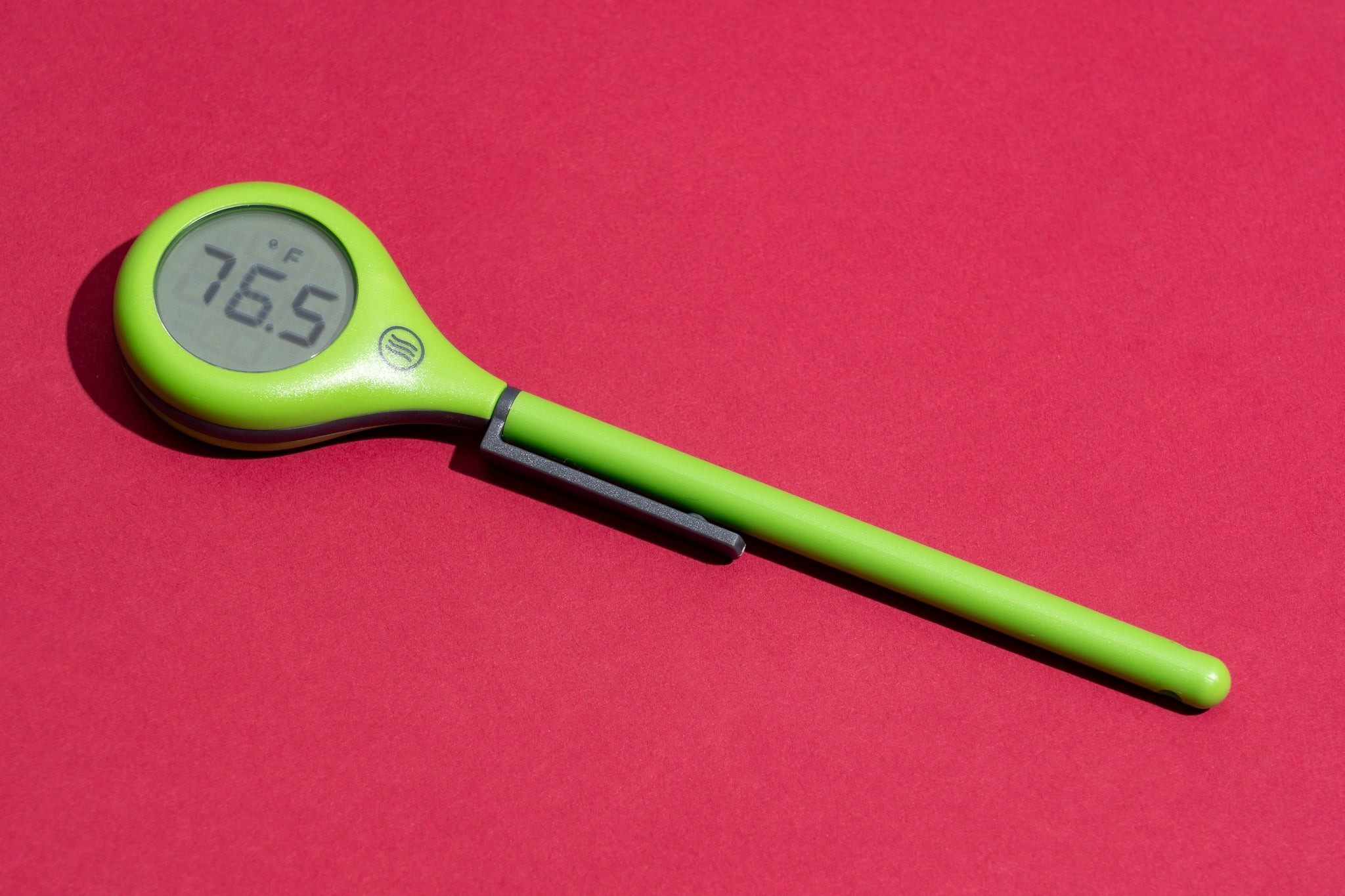
What Makes a Waterproof Meat Thermometer a Game-Changer?
While any meat thermometer is better than none, a waterproof meat thermometer is in a league of its own. It’s built to withstand the realities of a busy kitchen and unpredictable outdoor cooking environments, offering a significant upgrade in both convenience and hygiene.
Reliability in Any Kitchen Scenario
Imagine you’re grilling on a beautiful day, then an unexpected drizzle starts. Or perhaps a marinade splashes during a frantic dinner prep. For a standard thermometer, these are threats. For a waterproof model, it’s just another Tuesday. These robust devices are designed to keep working through rain, humidity, and accidental spills, ensuring you never miss a temperature reading. Their sealed bodies prevent moisture from infiltrating the electronics, which means no false readings or mid-cook failures. This ruggedness allows you to cook with confidence, no matter the conditions.
Uncompromised Food Safety and Hygiene
One of the most compelling advantages of a waterproof meat thermometer is its superior hygiene. Cooking involves raw meat, juices, and potential bacteria. Easy and thorough cleaning is paramount to prevent cross-contamination. A waterproof thermometer can be washed under running water, often submerged, and some models are even dishwasher-safe. This makes sanitization between different meats a breeze, eliminating lingering odors and harmful pathogens that could cling to non-waterproof devices. As Chef Elena Petrova, a renowned food safety expert, often advises, “A clean thermometer isn’t just about appearance; it’s your first line of defense against foodborne illness, making a waterproof model an essential investment for any kitchen.”
Versatility for Every Cooking Method
From the searing heat of a grill to the steamy environment of a sous vide bath, a waterproof meat thermometer is incredibly versatile. Many models are designed to withstand high temperatures, making them perfect for grilling, smoking, roasting, and even deep-frying. Their ability to handle moisture also means they are ideal for precision cooking methods like sous vide, where the probe might be submerged in water for extended periods. This adaptability ensures you have one reliable tool for almost any culinary task.
Understanding the Different Types and Key Features
Waterproof meat thermometers come in various styles, each with distinct features designed to cater to different cooking needs.
IP Ratings Explained: What Do They Mean for You?
The “waterproof” claim isn’t just a marketing buzzword; it’s often backed by an Ingress Protection (IP) rating. This two-digit number indicates how well a device is protected against solids (first digit) and liquids (second digit).
- IP65: Generally means splash-resistant. It can handle splashes from any angle but shouldn’t be submerged.
- IP67/IPX7: This indicates the device can be fully submerged in water up to 1 meter (about 3 feet) for a specified time (usually 30 minutes) without damage. Most high-quality waterproof meat thermometers fall into this category.
- IPX9K: This is the highest rating, signifying protection against powerful high-temperature, high-pressure water jets. Devices with this rating are often dishwasher-safe and can withstand rigorous cleaning. Understanding these ratings helps you choose a thermometer truly suited for your cleaning habits and cooking environment.
Instant-Read vs. Leave-In: Choosing Your Style
Waterproof thermometers are typically available in two main styles:
- Instant-Read Thermometers: These have a folding or fixed probe that you insert into the meat for a quick temperature reading, usually within 1-3 seconds. They are perfect for checking the doneness of thinner cuts like steaks, chicken breasts, or burgers, or for spot-checking larger roasts. Many modern instant-read thermometers boast waterproof designs, making them easy to clean after each use.
- Leave-In Probe Thermometers: Designed to remain in the meat throughout the entire cooking process, these often feature a probe connected by a heat-resistant wire to an external display unit. This allows you to monitor the temperature continuously without opening the oven or grill, which is ideal for slow-roasting, smoking, or large cuts like turkeys and briskets. Wireless versions connect to your smartphone via Bluetooth or Wi-Fi, offering remote monitoring and alerts. Many probes for these systems are waterproof, though the main unit may only be splash-resistant.
Smart Features for Modern Cooking
Beyond basic temperature reading, many waterproof meat thermometers offer smart features that enhance the cooking experience:
- Dual Sensors: Some wireless probes feature two sensors—one for internal meat temperature and another for ambient oven or grill temperature.
- Backlit Displays: Essential for low-light conditions, especially during evening grilling sessions.
- Auto Shut-Off/On: Saves battery life.
- Programmable Presets: Built-in USDA recommended temperatures for various meats and doneness levels.
- Smartphone Apps: Wireless thermometers often pair with apps that provide remote monitoring, temperature graphs, alerts, and cooking guides.
- Magnetic Backs/Hanging Loops: For convenient storage and accessibility.
How to Use Your Waterproof Meat Thermometer for Perfect Results
Using a waterproof meat thermometer effectively is simple, but precision is key.
Step 1: Insertion Matters
For accurate readings, insert the probe into the thickest part of the meat, making sure to avoid bones, gristle, or large pockets of fat, as these can give inaccurate readings. If using an instant-read thermometer, insert the probe, wait for the reading to stabilize (usually a few seconds), then remove it. For leave-in probes, insert it once and let it continuously monitor.
Step 2: Knowing Your Target Temperatures
Food safety is paramount. Always aim for the USDA-recommended internal temperatures for different types of meat:
- Poultry (whole, parts, or ground): 165°F (74°C)
- Ground Meats (beef, pork, lamb): 160°F (71°C)
- Beef, Pork, Veal, and Lamb (steaks, roasts, chops): 145°F (63°C) with a three-minute rest time after removal from the heat.
- Fish: 145°F (63°C)
- Leftovers: Reheat to 165°F (74°C)
Remember that for roasts and steaks, the temperature will often rise a few degrees during resting, so you can pull them off the heat slightly before your target temperature if desired.
Step 3: Reading and Reacting
Once your thermometer displays the target temperature, it’s time to remove your food from the heat source. For meats requiring a rest period, allow them to sit undisturbed for the recommended time. This crucial step helps the juices redistribute, resulting in a more tender and flavorful outcome.
Essential Tips for Care and Maintenance
Proper care ensures your waterproof meat thermometer remains accurate and reliable for years.
Cleaning Your Waterproof Ally
Even though it’s waterproof, regular and thorough cleaning is essential.
- Power Off: Always turn off your thermometer before cleaning.
- Wash with Soap and Water: Use mild dish soap and warm water with a soft cloth or sponge to wipe down the probe thoroughly. For heavily soiled probes, a soft brush can help. If your thermometer has an IP67/IPX7 rating or higher, you can submerge the probe or even the entire device for washing.
- Sanitize: After washing, wipe the probe with rubbing alcohol or a diluted vinegar solution to disinfect and kill any remaining bacteria. Rinse thoroughly with clean water to remove any chemical residue.
- Dry Completely: Dry the probe and device completely with a clean towel or allow it to air dry before storing. Storing a damp thermometer can lead to mold or damage.
Important Note: Always check your specific model’s instructions. While probes are often highly waterproof, the main units of wireless or digital thermometers may only be splash-resistant and should not be submerged.
Proper Storage for Longevity
Store your waterproof meat thermometer in a dry, cool place, away from extreme temperatures or direct sunlight. Many come with a protective sheath or case, which is ideal for preventing damage to the probe and keeping it clean when not in use. Avoid coiling wires tightly if your model has them, as this can damage internal components.
Choosing the Right Waterproof Meat Thermometer for Your Culinary Adventures
When selecting a waterproof meat thermometer, consider these factors:
- Accuracy & Speed: Look for models with a high accuracy rating (e.g., ±0.5°F) and a fast response time.
- Probe Length: Longer probes are better for large roasts, while shorter ones suit individual cuts.
- Wireless Range (if applicable): If you opt for a wireless model, check its range to ensure connectivity from your cooking area to where you’ll be monitoring.
- IP Rating: Choose an IP rating that matches your cleaning and usage needs.
- Display: A large, backlit display is a plus for readability.
- Battery Life: Rechargeable options or long-lasting batteries are convenient.
- Budget: High-quality thermometers are an investment, but there are excellent options at various price points.
Frequently Asked Questions
What does “waterproof” really mean for a meat thermometer?
“Waterproof” refers to a device’s ability to resist water intrusion, typically indicated by an IP (Ingress Protection) rating. For meat thermometers, it usually means the probe or the entire device can withstand splashes, running water, or even submersion for a certain period, depending on its specific IP rating (e.g., IP65, IP67, IPX7, IPX9K).
Can I put my waterproof meat thermometer in the dishwasher?
Some highly-rated waterproof meat thermometers, particularly those with an IPX9K rating, are indeed dishwasher-safe. However, most waterproof models are only rated for handwashing under running water or submersion for limited periods. Always check the manufacturer’s instructions for your specific model before putting it in the dishwasher.
How often should I clean my meat thermometer?
You should clean your meat thermometer thoroughly after every single use to prevent cross-contamination and ensure accurate readings. This includes washing the probe with soap and water and sanitizing it, especially when transitioning between different types of meat.
What is the difference between IP65 and IP67 ratings?
IP65 indicates that a device is protected against dust ingress and can withstand low-pressure water jets from any direction (splash-resistant). IP67 means it’s fully protected against dust and can be submerged in water up to 1 meter (about 3 feet) for up to 30 minutes (submersible). IP67 offers a higher level of water protection than IP65.
Can a waterproof meat thermometer be used for deep frying or sous vide?
Yes, many waterproof meat thermometers are ideal for deep frying and sous vide. For deep frying, ensure the probe’s temperature range is suitable for hot oil. For sous vide, a fully submersible (IP67 or higher) wireless probe is particularly convenient as it can remain in the water bath alongside your food.
How do I know if my meat thermometer is accurate?
You can test your thermometer’s accuracy using an ice bath or boiling water. For an ice bath, fill a glass with crushed ice and water, insert the probe, and it should read 32°F (0°C). For boiling water (at sea level), it should read 212°F (100°C). If it’s off by more than a couple of degrees, it might need calibration or replacement.
Should I leave the thermometer in the meat while cooking?
It depends on the type. “Leave-in” probe thermometers are designed to stay in the meat throughout cooking, often with a wire connecting to an external display. “Instant-read” thermometers, however, should only be inserted to take a quick reading and then removed, as leaving them in the oven or grill can damage their electronic components.
Unleash Your Inner Chef with a Waterproof Meat Thermometer
No matter your cooking style or expertise, a waterproof meat thermometer is a powerful addition to your kitchen arsenal. It’s more than just a gadget; it’s a key to unlocking perfect doneness, ensuring food safety, and giving you the confidence to tackle any recipe. So, ditch the guesswork, embrace the precision, and elevate your cooking to an art form. Your taste buds (and your guests) will thank you. Take the plunge and discover the freedom of perfectly cooked meals, every single time, with the reliability of a waterproof meat thermometer.