Cooking a perfect meal, whether it’s a juicy steak, a tender roast, or a slow-smoked brisket, often feels like a delicate dance between art and science. For years, home cooks and pitmasters alike relied on guesswork, touch tests, and opening the oven door one too many times, hoping for the best. But what if there was a way to guarantee perfection, every single time, without being tethered to your grill or kitchen? Enter the Wifi Meat Thermometer, a revolutionary tool that’s transforming how we approach cooking. It’s not just a gadget; it’s your personal culinary assistant, bringing unparalleled precision and freedom to your kitchen and backyard.
The Evolution of Precision Cooking: From Analog to WiFi
Meat thermometers have come a long way. Remember those old-school analog dial thermometers, sometimes a bit finicky and slow? They were a start, but required constant checking and often left you guessing. Then came digital thermometers, offering quicker, more accurate readings, but still demanding you be right next to the heat. The real game-changer arrived with wireless technology. Initially, Bluetooth thermometers offered some freedom, allowing you to step a short distance away. However, the limited range and potential for signal drops often meant you still had to hover nearby.
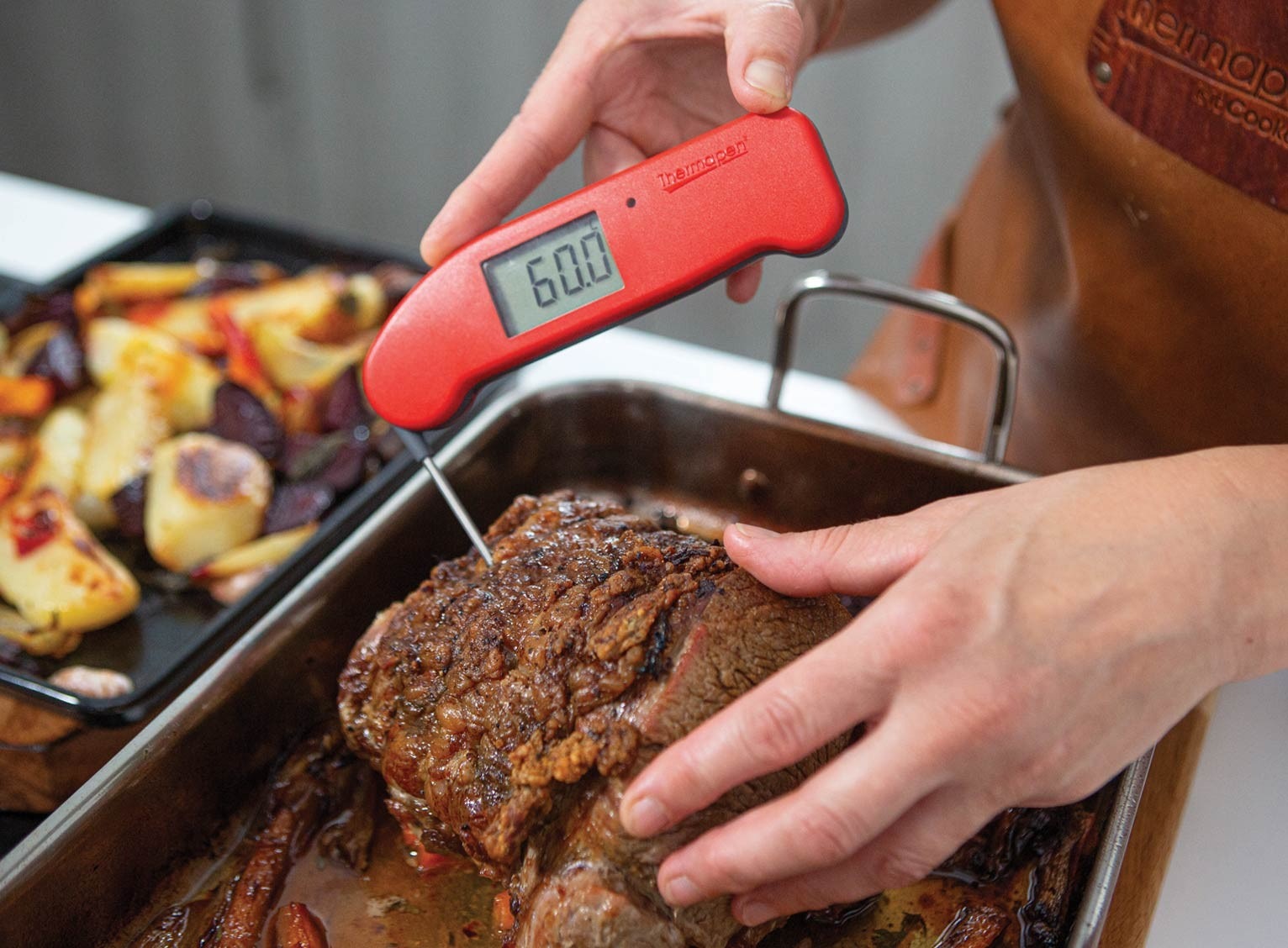
This is where the WiFi meat thermometer truly shines. By leveraging your home’s WiFi network, these devices offer an “unlimited” range within your network’s reach, letting you monitor your cook from anywhere in your home, or even across town, through a smartphone app. This leap in connectivity has transformed how we cook, making it not only more precise but also incredibly convenient.
What is a WiFi Meat Thermometer and How Does It Work?
At its core, a WiFi meat thermometer consists of a few key components: one or more probes, a base station or hub, and a companion smartphone app. You insert the heat-resistant probe directly into the thickest part of your meat. This probe contains sensors that measure the internal temperature. The magic happens next: the probe wirelessly transmits this real-time temperature data to a base station. This base station then connects to your home’s WiFi network, sending the data to the cloud, which your smartphone app can access from virtually anywhere.
This seamless connection means you can step away from the heat, socialize with guests, prepare side dishes, or simply relax, all while keeping a watchful eye on your food’s progress. The app becomes your control center, providing real-time updates, allowing you to set target temperatures, and even predicting when your food will be ready.
The Brains Behind the Brisket: Key Features to Look For
When choosing a WiFi meat thermometer, a few features truly stand out:
- Multiple Probes: Many models come with several probes, allowing you to monitor different cuts of meat or even the ambient temperature of your grill or oven simultaneously. This is especially handy for large cooks like a holiday turkey or a multi-rack BBQ. Some advanced probes even offer multiple sensors along their length for ultra-precise readings within a single cut.
- Advanced App Functionality: The smartphone app is where much of the power lies. Look for apps that offer:
- Real-time Data & Graphs: Visual tracking of temperature over time.
- Customizable Alerts: Notifications when your meat reaches a target temperature, or if the ambient temperature fluctuates too much.
- Preset Temperatures: Built-in doneness guides for various meats (e.g., medium-rare beef, well-done chicken).
- Predictive Cook Times: Algorithms that estimate how much longer your food needs.
- Guided Cooking: Some apps even offer recipes and step-by-step instructions.
- Probe Design: Thinner probes create smaller holes in your meat, minimizing juice loss. Also, ensure probes are made from high-quality, heat-resistant materials (often stainless steel and ceramic) to withstand extreme temperatures in ovens, grills, and smokers.
- Battery Life and Charging: Consider how long the probes and base station can operate on a single charge. Many systems feature charging docks that also act as signal repeaters.
- Accuracy and Calibration: Look for thermometers known for their accuracy. While most modern devices are pre-calibrated, some allow for user calibration if needed, ensuring readings remain spot-on over time.
Master Your Meals: How to Use Your WiFi Meat Thermometer Correctly
Using a WiFi meat thermometer is straightforward, but a few best practices will elevate your cooking from good to gourmet.
Step-by-Step Setup and Pairing
- Charge Up: Before your first use, fully charge your probes and base station. This ensures uninterrupted monitoring.
- Download the App: Install the manufacturer’s companion app on your smartphone or tablet.
- Power On & Pair: Turn on your base station and probes. Follow the in-app instructions to connect the base station to your home’s WiFi network and pair it with your probes. This usually involves a simple guided process.
Perfect Probe Placement for Accurate Readings
This is perhaps the most critical step for getting reliable results.
- Thickest Part is Key: Always insert the probe into the thickest part of the meat. This is where the last part of the meat will reach the desired temperature.
- Avoid Bones and Fat: Bones conduct heat faster than meat, and large pockets of fat can give inaccurate readings. Ensure the probe tip is nestled solely in the leanest part of the meat, away from bones, gristle, or large fat deposits.
- Sideways for Thin Cuts: For thinner cuts like steaks or pork chops, insert the probe horizontally from the side. This ensures the tip is in the very center, capturing the true internal temperature.
- Whole Poultry: For whole chickens or turkeys, aim for the thickest part of the breast or the innermost thigh, again, without touching bone.
Once inserted, make sure the probe is secure and won’t fall out during cooking.
Monitoring Your Cook from Afar
With your probe in place and connected, you’re ready to cook!
- Set Your Target: In the app, select your meat type and desired doneness. The app will usually pre-fill the target temperature.
- Keep an Eye on the App: Monitor the real-time temperature graph. Most apps will send push notifications when your meat is approaching its target temperature and when it’s perfectly done.
- Trust the Temp, Not the Clock: While recipes provide estimated cooking times, internal temperature is the only true indicator of doneness. Your WiFi meat thermometer removes all guesswork, ensuring food safety and optimal texture.
- Rest Your Meat: Once your thermometer signals doneness, remove the meat from the heat and allow it to rest. This crucial step lets the juices redistribute, resulting in a more tender and flavorful outcome. The app might even guide you through a resting period.
Unleashing Culinary Perfection: The Benefits of a WiFi Meat Thermometer
Embracing a WiFi meat thermometer isn’t just about cooking; it’s about unlocking a new level of culinary confidence and enjoyment.
- Precision and Consistency: Say goodbye to overcooked or undercooked disasters. These thermometers provide incredibly accurate readings, ensuring your dishes are consistently cooked to your exact preference, every single time. Imagine never having to apologize for dry chicken again!
- Ultimate Convenience and Freedom: This is arguably the biggest draw. No more babysitting the grill or constantly peeking into the oven. Monitor your cook from the living room, the garden, or even while running a quick errand, all through your phone. This freedom allows you to multitask, relax, and truly enjoy the cooking process and your guests.
- Enhanced Food Safety: Cooking meats to the correct internal temperature is vital for food safety, eliminating harmful bacteria. A WiFi meat thermometer ensures you hit those safe temperatures reliably, giving you peace of mind that your family and friends are enjoying safe, delicious food.
- Juicier, More Flavorful Results: By preventing overcooking, these thermometers help retain natural juices and flavors. Pulling your meat off the heat at the precise moment of perfection means every bite is tender, succulent, and bursting with taste.
- Stress Reduction: The anxiety of wondering if your roast is done or if your steak is medium-rare is gone. The thermometer tells you exactly what’s happening, allowing you to cook with confidence and significantly reducing cooking stress.
- Culinary Exploration: With the guesswork removed, you might feel more adventurous, tackling new cuts of meat, challenging smoking projects, or complex roasts that you might have shied away from before.
Troubleshooting Common Hiccups with Your WiFi Meat Thermometer
While generally reliable, like any technology, you might encounter a few minor issues. Don’t worry, most are easily resolved.
- Connection Problems: If your app isn’t receiving data, first check your WiFi signal strength. Is your base station too far from your router, or are there significant obstructions? Try moving the base station closer or minimizing interference from other electronics. Ensure your probes and base are fully charged, as low battery can weaken signals. Sometimes, a simple restart of the app, your phone’s WiFi, or even the thermometer’s base can fix pairing issues.
- Inaccurate Readings: Double-check probe placement. Is it truly in the thickest part of the meat and away from bone or fat? If you suspect the thermometer itself, try a quick calibration test using ice water (32°F / 0°C) or boiling water (212°F / 100°C at sea level) if your model allows it. A slightly damaged or corroded probe can also cause errors, so inspect them regularly.
- Probe Care: Always clean your probes thoroughly after each use with warm, soapy water. Ensure they are completely dry before storing them, especially the charging contact points, to prevent corrosion and ensure a good connection for future use.
As Chef Alex Chen, a renowned culinary expert, often says, “The secret to consistent, restaurant-quality meat isn’t magic; it’s precision. A good WiFi meat thermometer isn’t just a convenience; it’s an extension of your culinary expertise, allowing you to focus on the artistry of cooking while the technology handles the science.”
Choosing Your PerfectCook Companion: What to Consider When Buying
Ready to embrace the world of hands-free, perfect cooking? Here’s what to keep in mind when selecting your WiFi meat thermometer:
- Range and Connectivity: While WiFi offers superior range compared to Bluetooth, consider the layout of your home and outdoor cooking areas. Some systems offer boosters or gateways to extend the signal further.
- Number and Type of Probes: How many dishes do you typically cook simultaneously? Do you need both internal meat temperature and ambient smoker/grill temperature monitoring? Look for systems with the right number and type of probes for your needs.
- App Features and User-Friendliness: Download the app before buying if possible, or watch video reviews to get a feel for its interface. An intuitive app makes all the difference in your user experience.
- Durability and Heat Resistance: Investing in a thermometer with robust probes and a well-built base station means it will stand up to the rigors of high-heat cooking for years to come.
- Budget: WiFi meat thermometers come in a range of price points. While it’s tempting to go for the cheapest option, consider it an investment in consistently delicious meals. Often, spending a little more upfront can save you frustration and lead to better results in the long run.
Frequently Asked Questions About WiFi Meat Thermometers
Q: Can I use a WiFi meat thermometer for both smoking and grilling?
A: Absolutely! Most WiFi meat thermometers are designed for versatility, perfect for grilling, smoking, roasting in the oven, and even air frying. Many models include probes that monitor both internal meat temperature and the ambient temperature of your cooking environment, making them ideal for long, low-and-slow smokes or high-heat grilling sessions.
Q: How do WiFi thermometers differ from Bluetooth ones?
A: The main difference lies in their range and connectivity. Bluetooth thermometers connect directly to your phone and typically have a limited range (e.g., 50-100 feet), which can be impacted by walls and obstacles. WiFi meat thermometers, on the other hand, connect to your home’s WiFi network via a base station, allowing you to monitor your cook from anywhere your WiFi signal reaches, potentially even outside your home through cloud connectivity.
Q: Do I need multiple probes?
A: It depends on your cooking habits. If you often cook large cuts of meat or multiple dishes at once, or if you want to monitor both meat and ambient temperatures, multiple probes are incredibly useful. For single-item cooks, one probe might suffice, but having a spare is always a good idea.
Q: How often do I need to charge the probes and base?
A: Battery life varies by model, but most probes offer many hours of continuous use on a single charge (e.g., 20-30 hours or more). The base stations typically have longer battery lives or can be powered by USB. It’s always best practice to fully charge your device before each cook to avoid interruptions.
Q: Are WiFi meat thermometer probes waterproof?
A: Most probes are designed to be water-resistant and can be rinsed under the tap for cleaning. However, the probe handle (where the electronics are housed) is typically not meant for full immersion or dishwasher cleaning. Always check the manufacturer’s specific cleaning instructions for your model.
Conclusion
The WiFi meat thermometer is more than just an accessory; it’s an indispensable tool that empowers you to cook with confidence, precision, and freedom. By taking the guesswork out of temperature management, it ensures food safety, guarantees delicious results, and liberates you from constant vigilance over your cooking. For anyone serious about achieving perfectly cooked meals, consistently and effortlessly, adding a WiFi meat thermometer to your kitchen arsenal is a truly smart move. It’s time to elevate your culinary game and enjoy the perfectly cooked difference!